As the new year begins, Louisiana has ushered in a new chapter in its history with the closure of both of its Planned Parenthood locations last fall.
Women’s reproductive care is limited with the closure of both locations after Louisiana made some changes to its reproductive care laws.
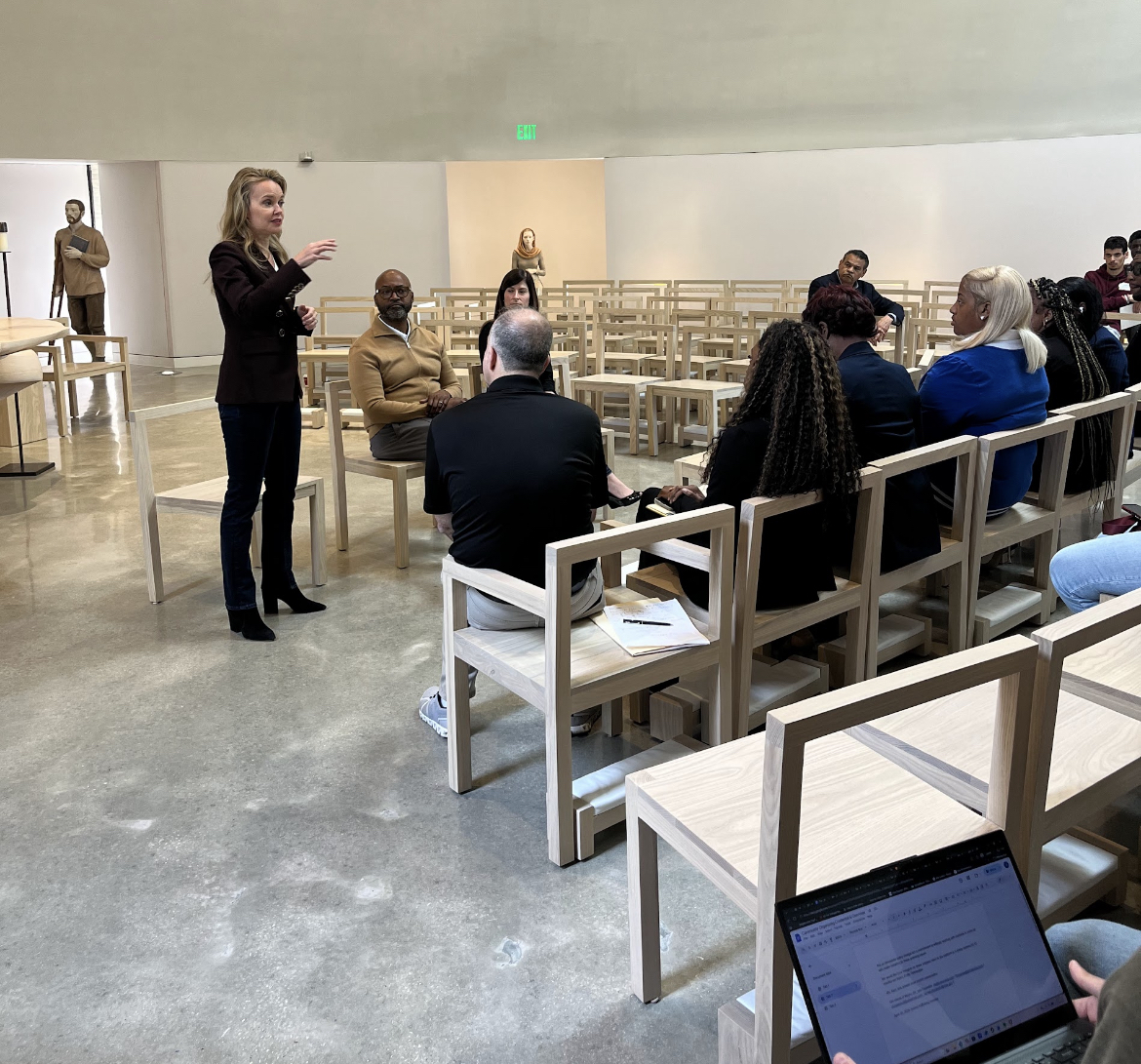
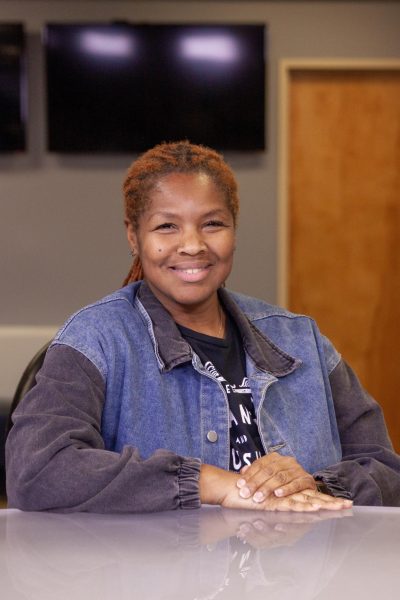
Chasity Matthews, executive director of the Louisiana Abortion Fund, spoke with The Maroon about the ramifications that will affect not just New Orleans, but the entire state.
The Louisiana Abortion Fund (formerly the New Orleans Abortion Fund) is a community fund that assists the community in overcoming the economic and geographic barriers erected to prevent them from accessing abortion care.
Their mission statement, as provided by their website, states: “By providing low-barrier financial support for abortions and support for travel and childcare, we invest in the community’s liberation. The fund works to center Black people, Indigenous communities, people of color, queer folks, and immigrants, because we know that when the most marginalized among us are free, we will all be free.”
The Louisiana Abortion Fund’s work is rooted in the principles of reproductive justice as defined by SisterSong.
“The human right to maintain personal bodily autonomy, have children, not have children, and parent the children we have in safe and sustainable communities,” according to the SisterSong website.
Matthews listed the variety of services provided by the organization.
“It is important to note that Planned Parenthood services at those locations included cancer screenings, birth control, HIV, Pap and HPV tests, pregnancy testing, gender-affirming care, miscarriage management, ultrasounds, and assistance for out-of-state abortions,”
Matthews also talked about why she thinks these Planned Parenthood locations were important.
“Reproductive justice is comprehensive. It is about abortion and creating safe and healthy communities where we can all live, raise children, and care for our families (in whatever form we deem is right for us) in safe, healthy, and whole communities,” Matthews said.
With Louisiana being included in a list of southern states that are experiencing a maternity and infant mortality crisis, the erasure of reproductive services poses a new threat to the declining population of the state.
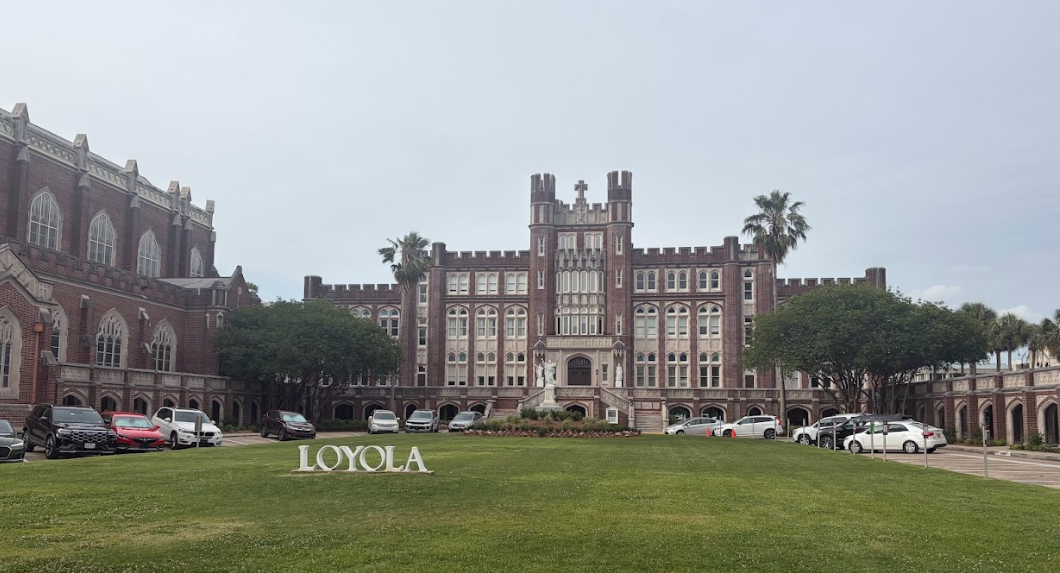
Loyola senior Christopher Pouncy weighed in on the possible effects of the closure of both centers in the state.
“I believe the closure of Louisiana’s two Planned Parenthood locations will significantly limit access to reproductive healthcare, particularly for low-income individuals and communities of color,” Pouncy said.
Pouncy also talked about the possible effects that these closures might have on students in the state and in the Loyola community specifically.
“Students who relied on Planned Parenthood for affordable and confidential reproductive healthcare will now have fewer options nearby, increasing stress and barriers to care,” Pouncy said.
Pouncy also mentioned how these closures might urge students in the community to voice their concerns over the growing lack of access to reproductive care.
“Loyola is a community that values social justice and public service, so these closures may heighten campus conversations around healthcare access, policy, and advocacy,” Pouncy said. “It could motivate greater student engagement but also create a sense of concern and frustration about the direction of reproductive rights and healthcare availability in Louisiana.”