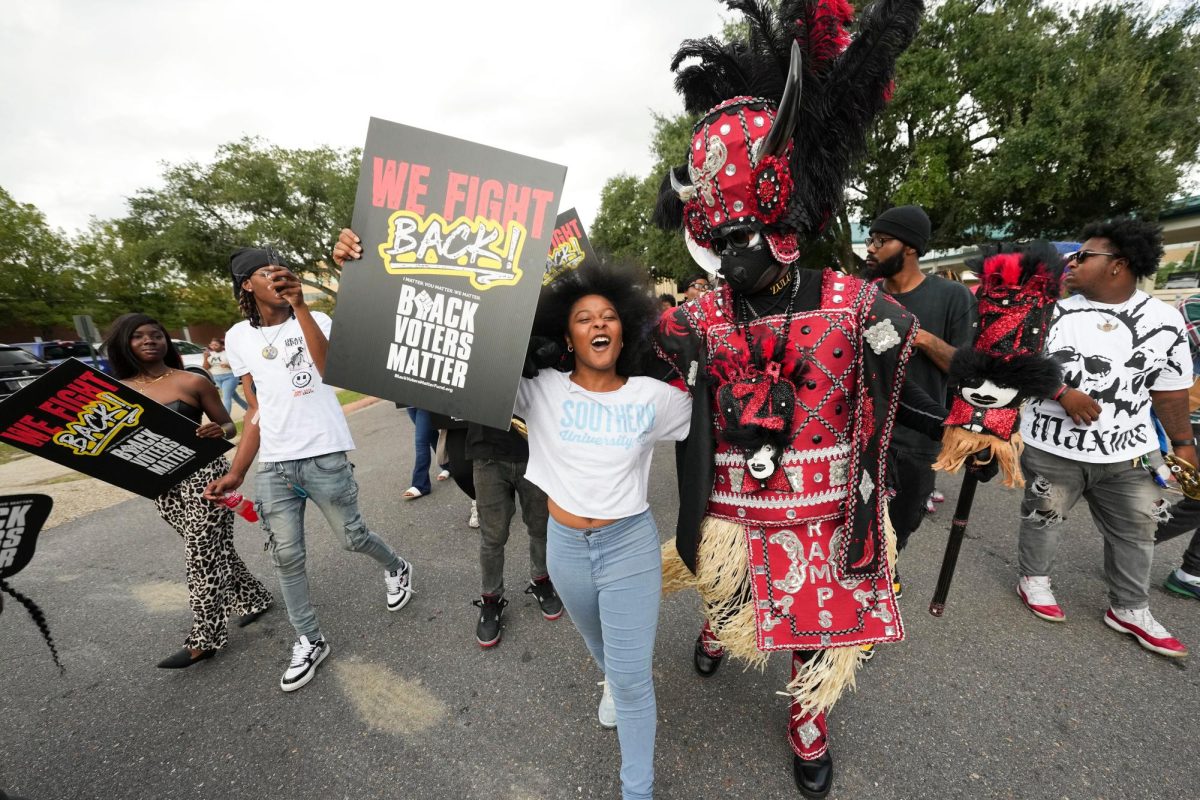
The Supreme Court heard a case for redistricting from the state of Louisiana on October 15. The outcome of the case could not only change redistricting in every state but could strike down an important piece of the 1965 Voting Rights Act. With the possibility of changes to the Voting Act, this move would guarantee extra seats for an already packed Republican majority in the House and the Senate.
Most Southern states with Republican control have small pockets of Democratic voting blocks, which are protected by section 2 of the Voting Rights Act. The change could eliminate typically Democratic areas in red states and decrease the minority representation in Congress. This kind of decrease in minority representation has not been seen in Congress since about the mid-1880s.
There is also the possibility that Republicans could come up with 19 new seats during midterm elections if the high court decides to strike down section 2. However, the Supreme Court would need to rule on the decision sooner rather than later. A quick ruling would be in the best interest of the Republican-led Congress. The more time it takes for the Supreme Court to bring down a ruling, the less time Republican lawmakers have to redraw the map before the 2026 midterm elections.
The state of Louisiana specifically could stand to lose a majority Black district. The decision could bring about a free-for-all in drawing up new districts nationwide before the 2026 midterms. With this change, NBC News reports that the redistricting efforts could also change the election schedule for the 2026 midterms next spring.
With the Supreme Court being made up of mostly conservative justices, the decision of the case could be conservative leaning causing Louisiana, along with other states to draw up new maps.
Louisiana state representative Matthew Willard-D is a strong opponent of the move.
“It could have damaging impacts throughout the state of Louisiana for a generation,” Willard told reporters. “This isn’t just about Louisiana. This has the potential to impact the entire United States.”
The move could have reverberations for decades to come.
The Supreme Court has not yet issued a final ruling on the Louisiana redistricting case.
The Associated Press contributed to this report