The U.S. government has suspended the Global Entry program as a partial government shutdown continues.
The announcement was made after the Department of Homeland Security said Saturday evening that they planned to shut down both the Global Entry program and the Transportation Security Administration’s PreCheck program. Eventually, DHS made the decision to cancel the TSA PreCheck closure.
“As staffing constraints arise, TSA will evaluate on a case-by-case basis and adjust operations accordingly,” DHS said.
Amid the changes to both programs, there has been chaos across the country at the nation’s airports as a result of the partial government shutdown. The partial shutdown began February 14. The shutdown stems from Congress not being able to agree to continued funding for the Department of Homeland Security.
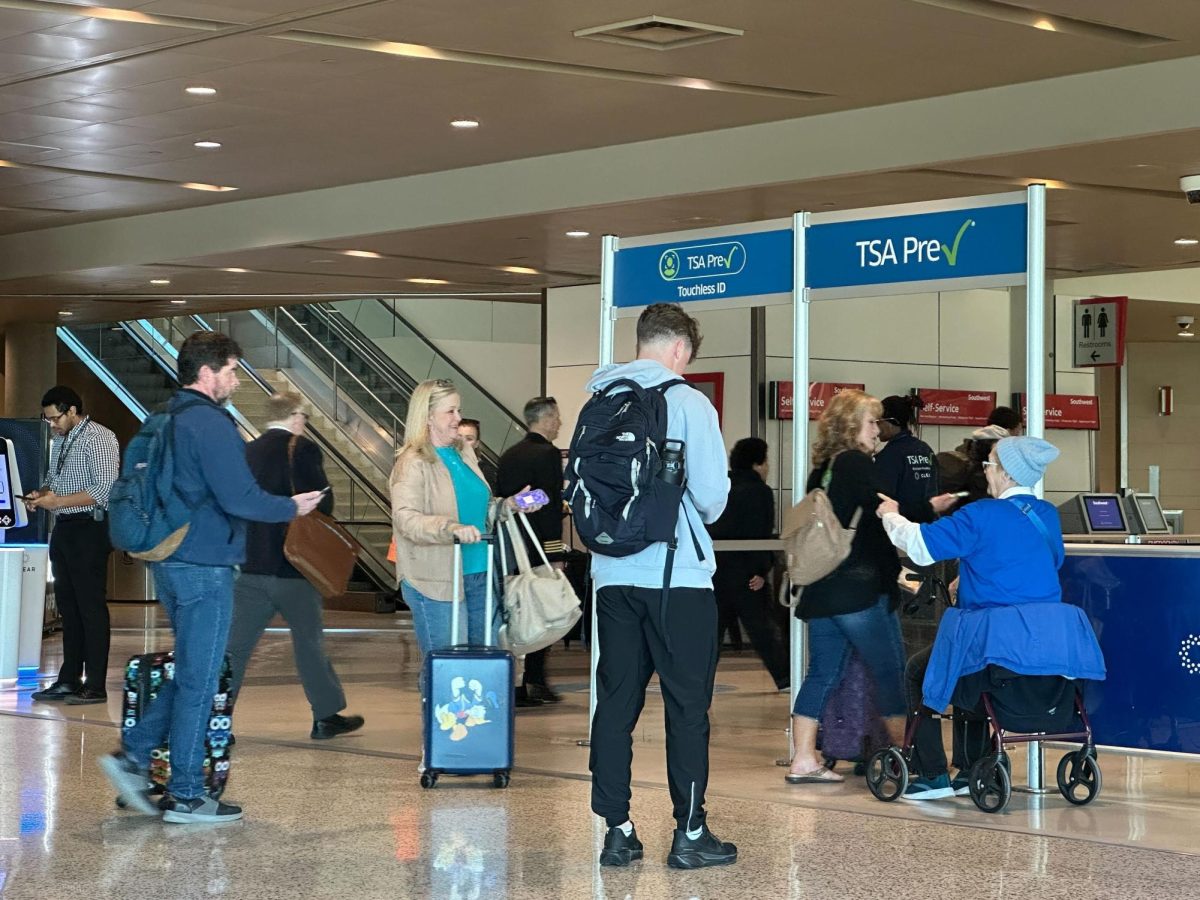
The disruptions to both security programs came in the midst of a winter storm that was already bound to affect air travel. With both programs in limbo, travelers can expect delays in security lines.
Global Entry is a United States Customs and Border program that allows travelers to use expedited kiosks at airports in the United States when they return from abroad. As cited by the Associated Press, there have been no specific studies done to show how the use of both security programs either speeds up travelers’ times in the security lines or slows it down.
The Department of Homeland Security Secretary Kristi Noem said, “Shutdowns have serious real world consequences.” It is being reported that Secretary Noem also stated that she would take away courtesy escorts from members of Congress at airports during the partial government shutdown as well.
Airlines for America, a trade group representing major carriers, issued a Saturday night stating, “It’s past time for Congress to get to the table and get a deal done.” The organization also criticized the announcement by DHS saying that the issuance was “ extremely short notice to travelers, giving them little time to plan accordingly.”
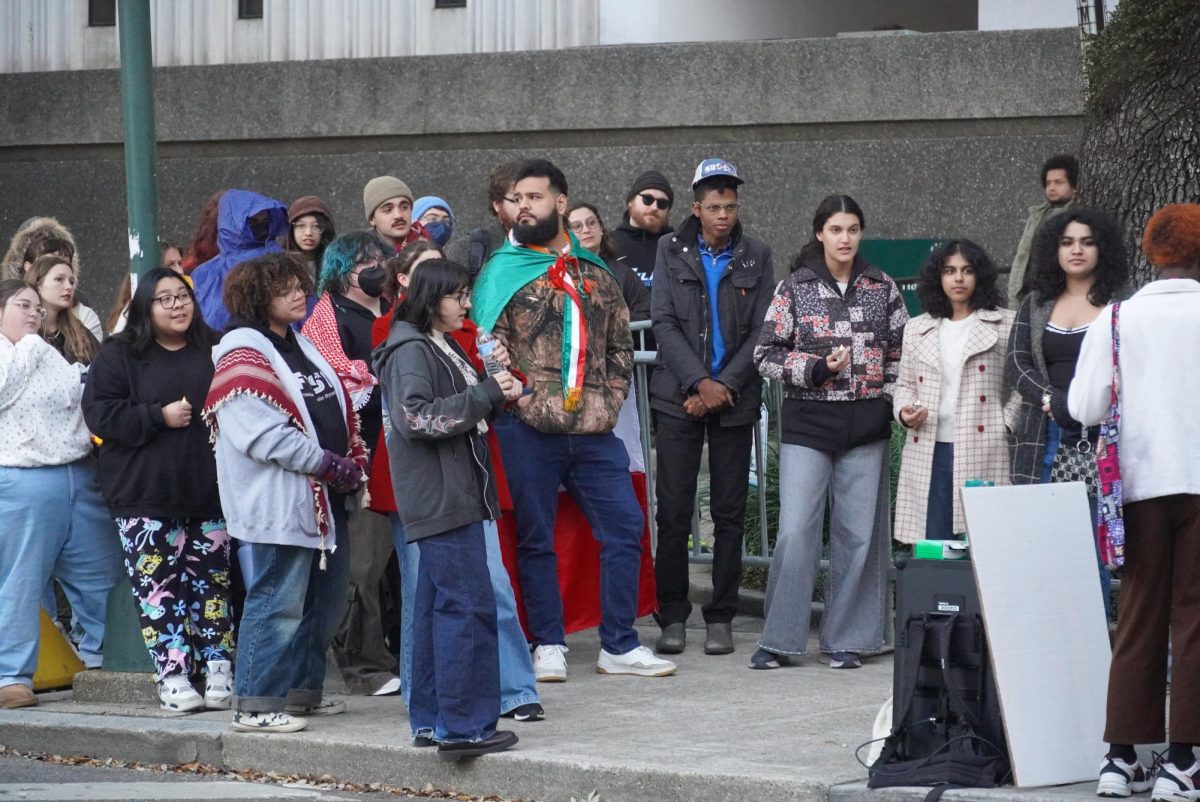
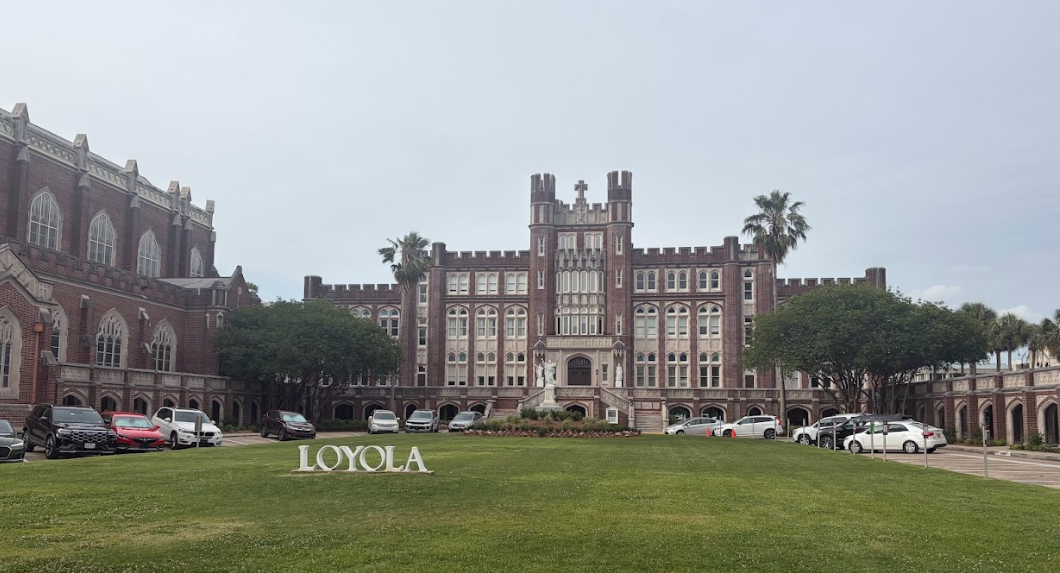
Loyola’s student community is a patchwork made up of both students from the United States and students from abroad. When it comes to this piece of policy temporarily inconveniencing not just the general public but students from Loyola, one would have to wonder about the immediate impact it could have on not just the everyday traveler, but the students on Loyola’s campus.
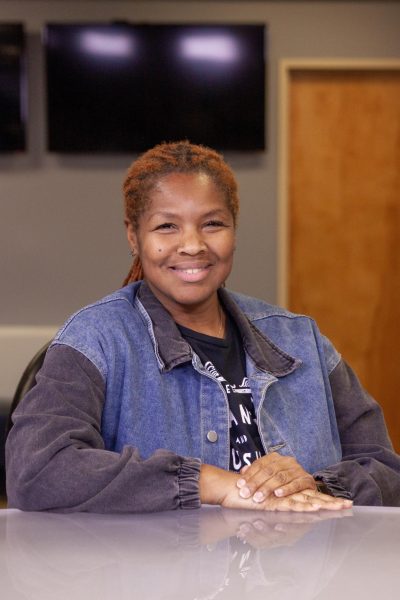
Nursing student Lauren Richards expressed concern about how the shutdown could affect students at Loyola, especially those who live abroad.
“I think with how everything is right now, with Global Entry now being suspended, it could be seen as challenging for students in our community to navigate travel,” Lauren said. “It’s disheartening.”
Senior Audry Gilbert was very passionate about the idea that students in the Loyola community should be able to travel without fear of an inconvenience.
“[the suspension] makes students in our community feel unsafe. People should be able to move about without fear, Gilbert said.
“It makes Loyola feel like less of a community, because let’s be honest, what’s a community if you’re not sure that you’re going to be able to make it back safely to said community,” Gilbert continued.
Gilbert said. “I definitely don’t think that it’s necessary to continue to suspend the program. I simply don’t see it as a safety issue.”
Junior Izzy Gruner said, “This situation makes it extremely difficult for students to travel back and forth, especially if they are at the end of their Visa and they are attempting to renew it, it’s not always a guarantee at this time.”
Gruner also agreed with Gilbert on the idea that it is not necessary to keep the program suspended.
The Associated Press contributed to this report.