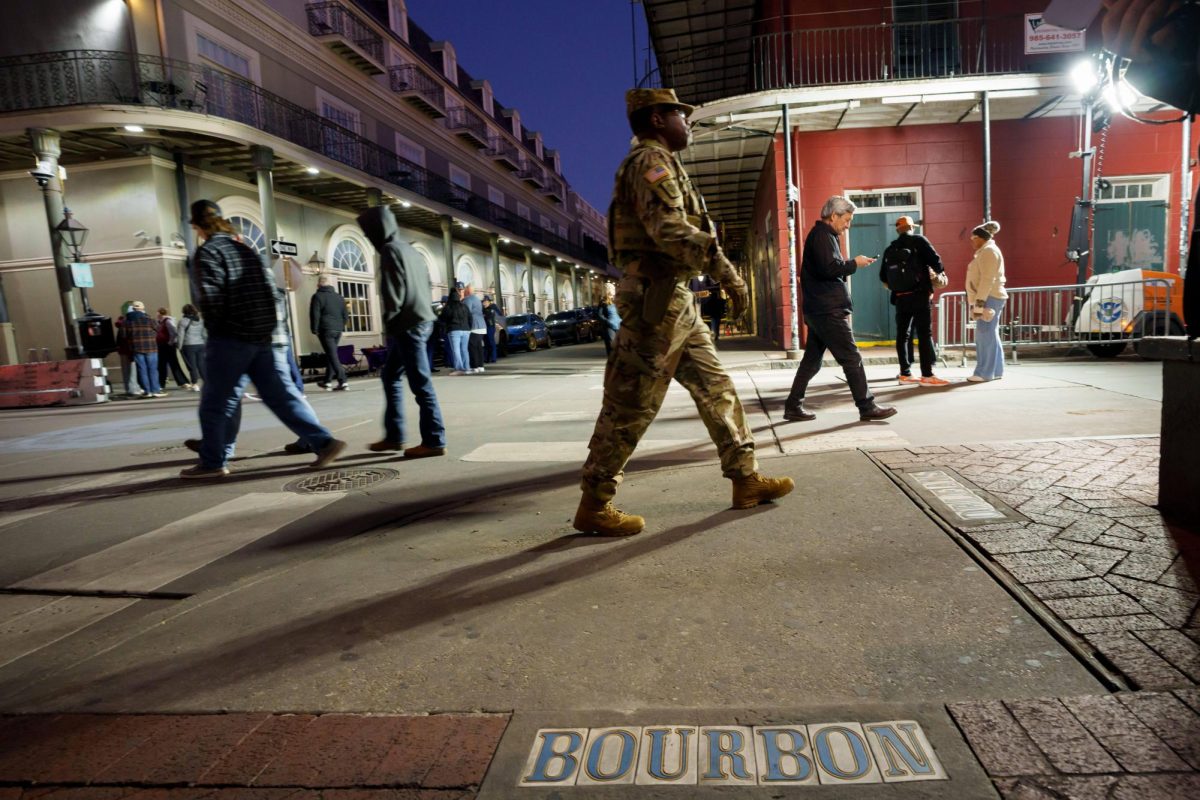
Mardi Gras is a tourist’s paradise. The allure of the flashy krewes accompanied by obscure, and sometimes absurd, themes as well as countless other festivities is hard for anyone to miss.
However, there are other communities outside of the mainstream Mardi Gras most people know about. These communities are often overlooked, despite their importance to the celebration of Mardi Gras and New Orleans’ culture as a whole.
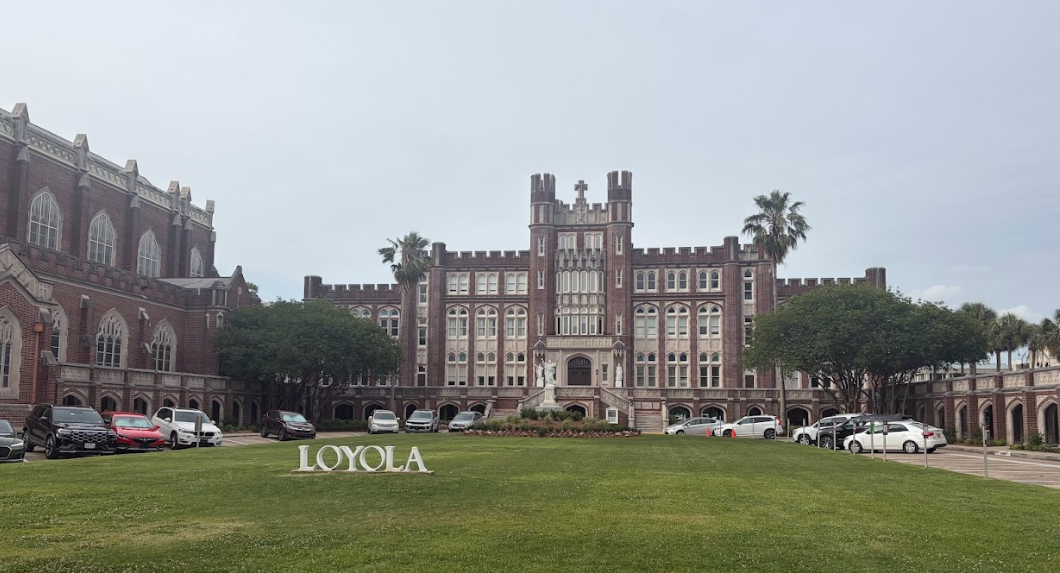
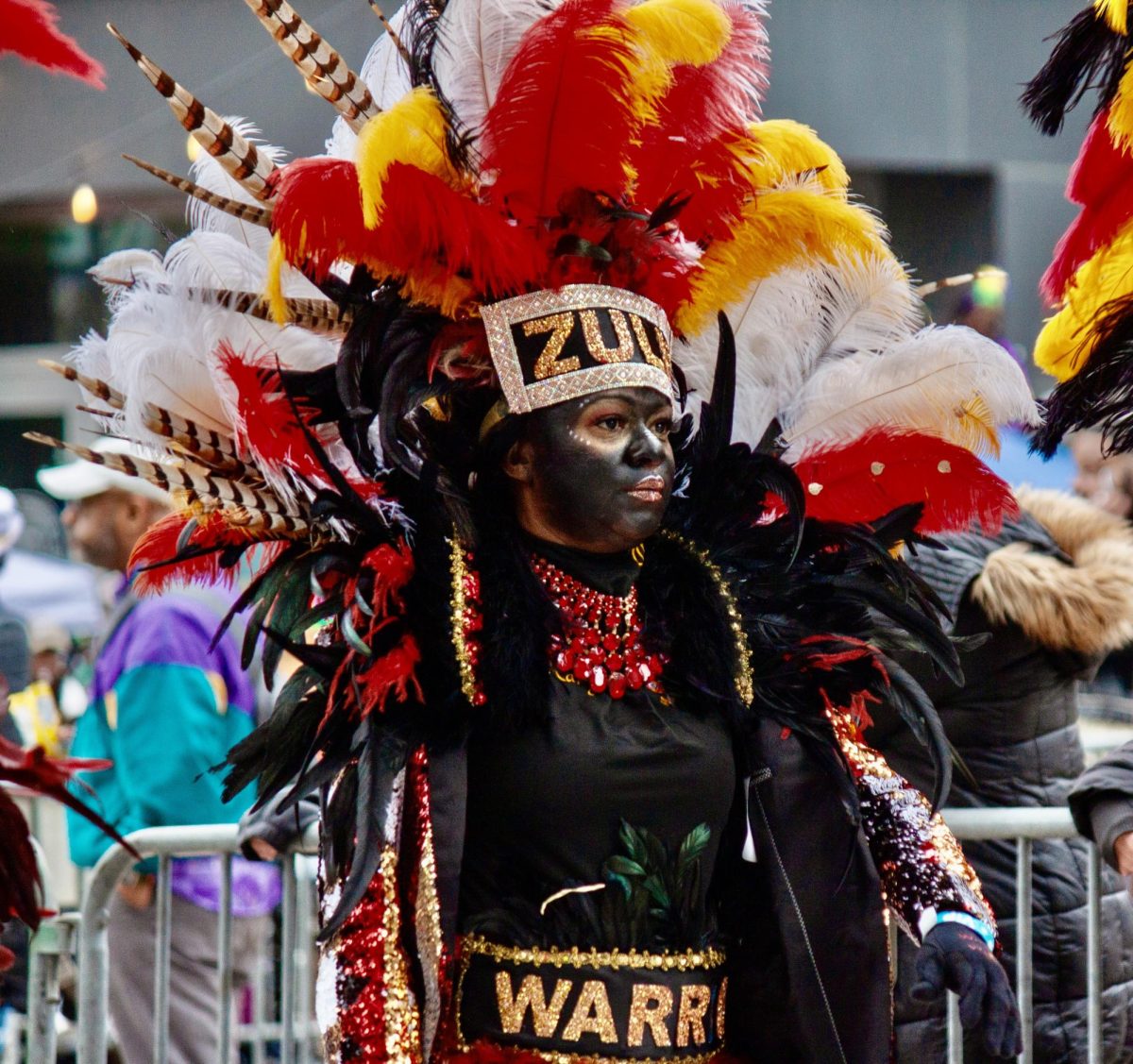
These communities being historically Black, also known as Black Mardi Gras, can range from small neighborhood parades with masking Indians and bands, to large scale parades such as Zulu. With Loyola being such a diverse campus, students share their experience as well as willingness to experience a historically Black Mardi Gras this upcoming parade season.
Trinity Steed-Foxx, a biology pre-health major who moved from New York five years ago shared her experiences with Zulu, a historically Black parade.
“For Zulu I feel like there’s a bigger celebration of Black culture. There’s a lot of historically black references, a lot of what represents black culture that everybody understands and kind of brings together a whole community,” Steed-Foxx said.
Takara Powell, a graphic design major who has lived in New Orleans and has marched in parades, reflects on the delightful experience of Mardi Gras and Black Mardi Gras.
“Walking down the street, hearing the loud music, seeing all the colors and the decorations is a really good experience and it’s only once a year. People should also enjoy the Mardi Gras Indians because I feel like that’s another big thing about New Orleans. Not only do they hand make every outfit but they also have a band follow them and walk down to New Orleans,” Powell said.
Powell also adds onto the idea of community with Black Mardi Gras, stating, “I feel like it just brings the energy out of people. They feel at home and safe. I feel like they can be themselves.”
Students have also felt the different atmosphere of Black Mardi Gras in comparison to the typical festivities and krewes most are familiar with. Talan Craddock, an international business major who recently moved back to New Orleans after being overseas, sees this difference.
“Its a very cultural event, but I say from the outside looking in, people, from what I’ve seen here, use it as a way to go out and look cute to experience it but they’re not really taking in the cultural side of it,” Craddock said.
Steed-Foxx also recognizes the difference in culture.
“I do feel like it’s different from the mainstream parades because a lot of the mainstream parades take on certain political things or things that are only in New Orleans, so it gives it its own subculture,” Steed-Foxx said.