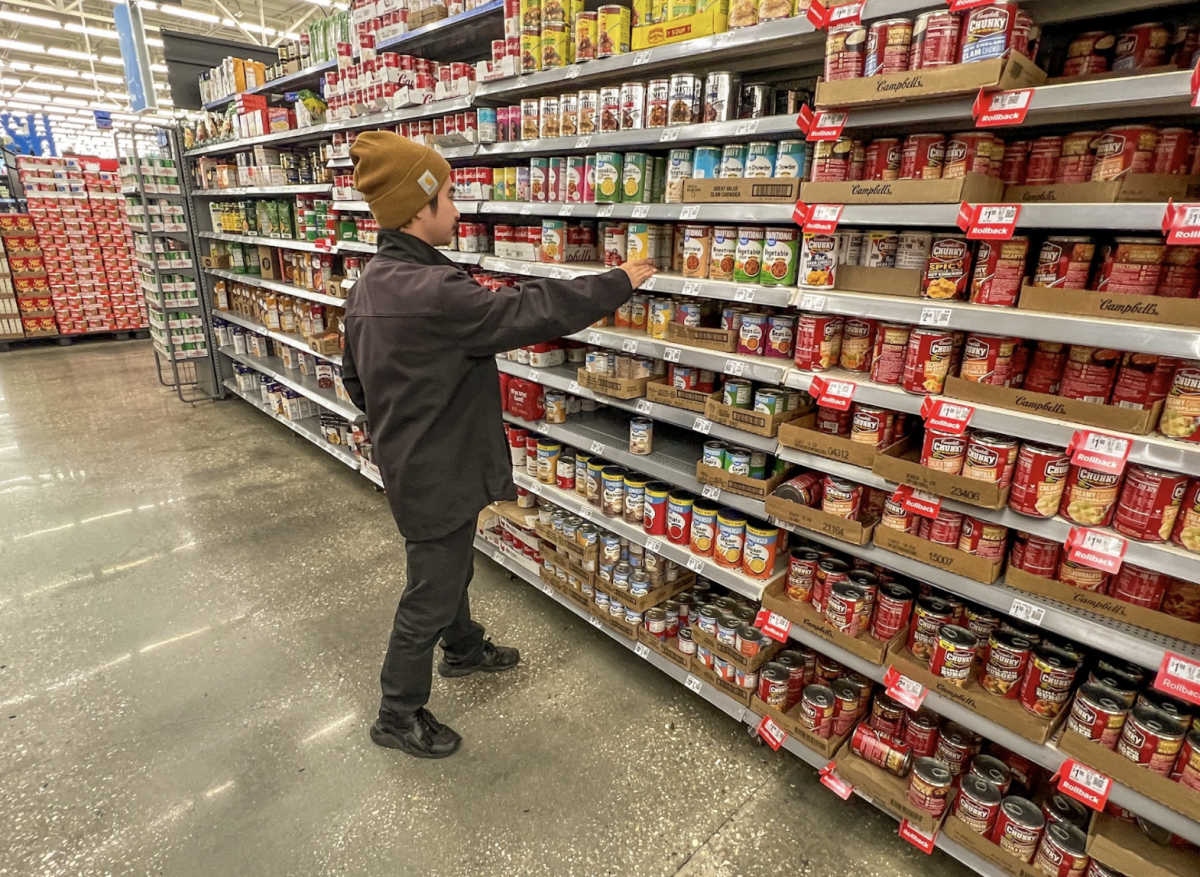
Thanksgiving is meant to be a season of gratitude, a time when families come together, share a meal, and give thanks for what they have. But this year, millions of Americans could be facing empty tables instead of full plates.With federal funding stalled and the United States Department of Agriculture warning that SNAP payments remain uncertain this November, millions of people are at risk of losing critical food aid during this holiday season. That means millions of people could lose access to the one program that helps them put food on the table.
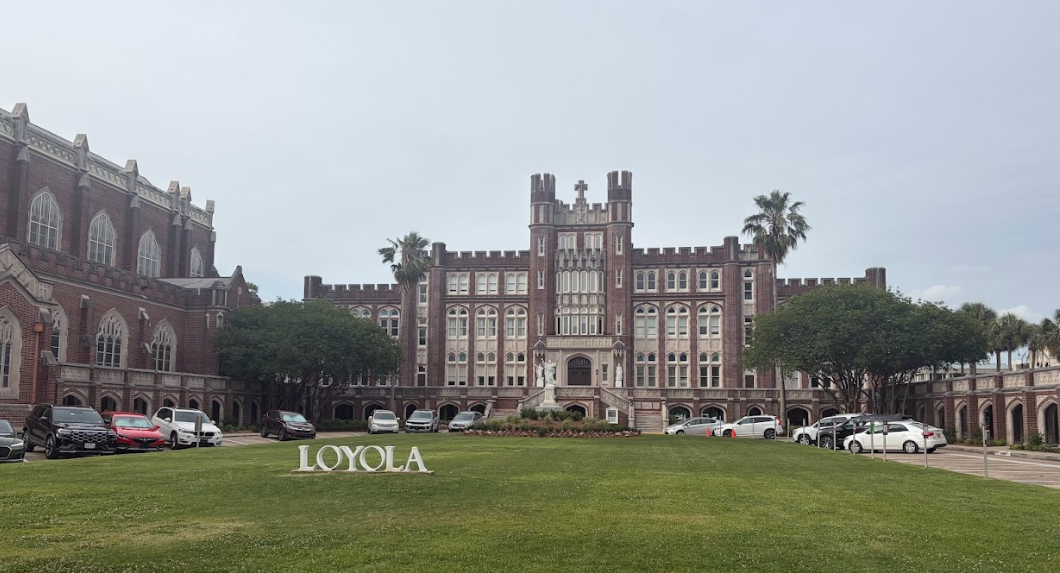
Let’s be real, food insecurity isn’t a distant issue. It’s right here in our neighborhoods, schools, and even on our campus. Loyola students come from all walks of life, and many of us know what it’s like to stretch a dollar or skip a meal just to make ends meet. SNAP isn’t some extra perk; it’s a lifeline for families trying to stay afloat. Cutting it right before the holidays isn’t just harsh, it’s out of touch with the reality that so many Americans face every day.
Every year, local organizations in New Orleans step up to meet community needs. Food banks, churches, and nonprofits like Second Harvest Food Bank and Culture Aid NOLA provide meals and supplies for families who might otherwise go without. But they’re already stretched thin. With the federal funding standoff still unresolved and the USDA warning that payments remain uneven this month, millions of people could face delayed or reduced food-aid benefits, rather than a full cutoff, the ripple effect will hit these local organizations first. More families will turn to emergency food resources, shelves will empty faster, and volunteers will be forced to fill a gap that should never exist in the first place.
From an economic standpoint, cutting SNAP doesn’t save money, it hurts everyone. SNAP dollars are spent immediately and locally. When that money stops circulating, it impacts small business owners, store workers, and the local economy overall. Hunger slows productivity, drives up healthcare costs, and keeps families trapped in cycles of poverty.
At Loyola, we talk a lot about service, compassion, and community, and this moment calls for all three. Whether it’s volunteering with a local food pantry, donating what we can, or using our voices to raise awareness, students can make a difference. Service isn’t just something you do for class credit or a résumé line; it’s a response to injustice. And food insecurity, especially in a city like New Orleans that prides itself on its food culture, is one of the clearest injustices we face.
I’ve seen how deeply hunger affects people. I’ve read stories of families rationing food, of parents skipping meals so their kids can eat, of neighbors leaning on one another just to make it through the week. That kind of resilience shouldn’t have to exist in one of the wealthiest countries in the world. These are the moments that remind us why compassion matters, because this isn’t just another policy debate; it’s about human lives.
If these cuts move forward, we can’t afford to stay silent. Loyola students and staff can use our platforms, from campus publications to community partnerships, to advocate for those who will be directly affected. Call your representatives. Write letters. Educate others about what’s at stake. Because this isn’t about politics; it’s about people.
Thanksgiving should be a time of reflection and unity, not scarcity and fear. While politicians argue over budgets, real people will be forced to choose between paying rent and eating dinner. SNAP isn’t charity; it’s a commitment to basic human decency. And if our government can’t stand on that, then it’s up to communities like ours to remind them what compassion truly looks like.