

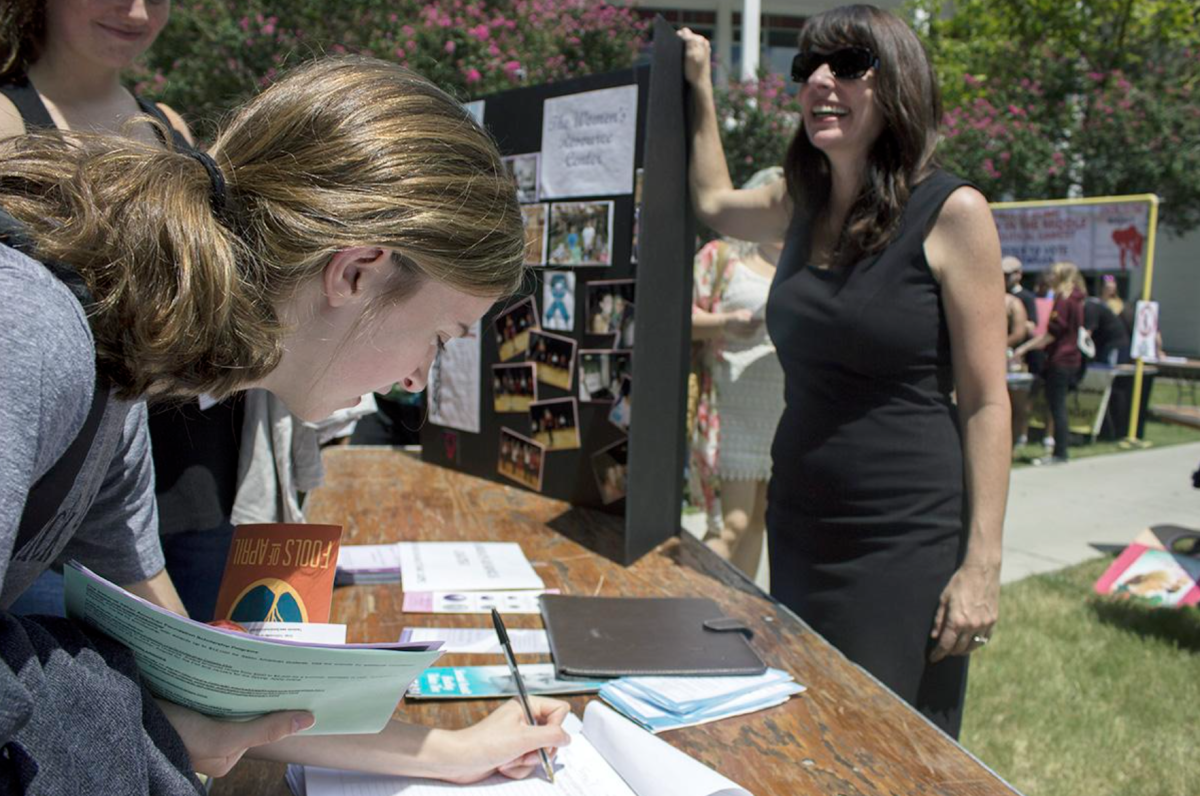
Organizations at colleges like Loyola New Orleans assist students in bridging the gaps between their academic goals and personal interests, fostering a community of support that promotes development and cooperation. This feeling of belonging can have a long-lasting effect, enhancing the overall college experience, mental health, and student retention. By uniting people with similar interests, student organizations significantly contribute to building community on college campuses. Through academic clubs, cultural associations, service organizations, or performing groups, students gain leadership skills, make friends, and engage with their peers outside the classroom. Ultimately, these organizations help students feel more connected to both their peers and their university.
From my own experience, being involved in organizations like the Loyola University Jazz and Concert Bands and the music department ensembles has made me feel deeply connected to the Loyola community. Performing at campus events and collaborating closely with other musicians has helped me form friendships and develop teamwork skills that extend far beyond the classroom. These groups not only provided a creative outlet but also made me feel valued and seen within the university.
Similarly, my involvement in Son of a Saint as a community engagement intern allowed me to connect with the broader New Orleans community, emphasizing service and mentorship—values that align with Loyolas mission of educating the whole person. These experiences showed me how strong student organizations can transform a campus into a true community where people support and inspire one another.
However, not every student organization achieves the same level of success in creating and sustaining a sense of community. Some groups face greater challenges due to limited resources, lack of awareness, or inconsistent leadership. Newer organizations often struggle to attract and retain members when competing with more established groups. Additionally, organizations that represent underrepresented identities or specialized interests may find it difficult to gain administrative recognition or broader campus support. These disparities can create an uneven campus environment, where some students easily find belonging while others feel isolated from university life.
Balancing extracurricular involvement with academic and personal obligations adds another layer of difficulty. Many students juggle coursework, jobs, and other responsibilities, making it challenging to commit regularly to club activities. As participation drops, leadership burnout can occur, leading to organizational stagnation. Furthermore, when student organizations fail to collaborate or support each other, smaller groups may become even more disconnected from the larger campus community.
These challenges can be addressed through inclusive leadership development, equitable access to funding and resources, and mentorship opportunities between established and emerging organizations. By strengthening support systems and encouraging cooperation, universities can ensure that all student organizations have the tools to thrive.
In the end, student organizations are essential to building a vibrant and inclusive campus community. Their success, however, depends on continued funding, active student engagement, and meaningful institutional recognition. When supported effectively, these groups not only enrich the student experience but also strengthen the bonds that make a university community truly feel like home.







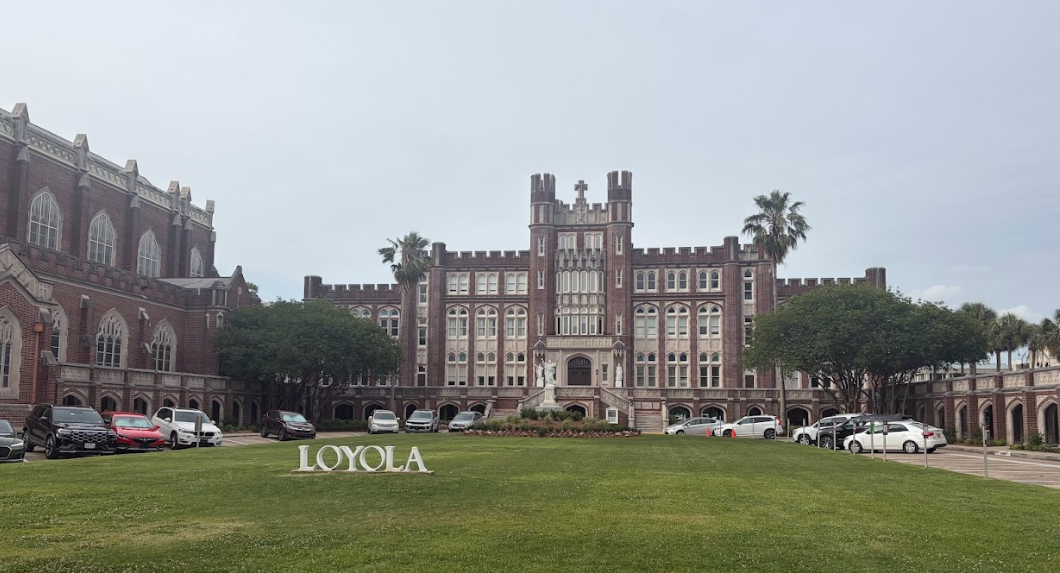



Chunk DeBear • Nov 13, 2025 at 1:42 pm
I agree student organizations are very important to the Loyola Student community. When I was a student at Loyola, I headed up one such organization and we actually won the award for more improved student organization one year.
Which makes it all the more maddening when one organization,is denied recognition by the university for violating no rules – other than their presence upsets students with a “woke” mentality.
It is proven throughout history that the side that does not tolerant free speech and debate is always the wrong side.
It saddens me to see Loyola University abandon their principles to be on the wrong side. The Jesuit education I encountered is a thing of the past apparently.