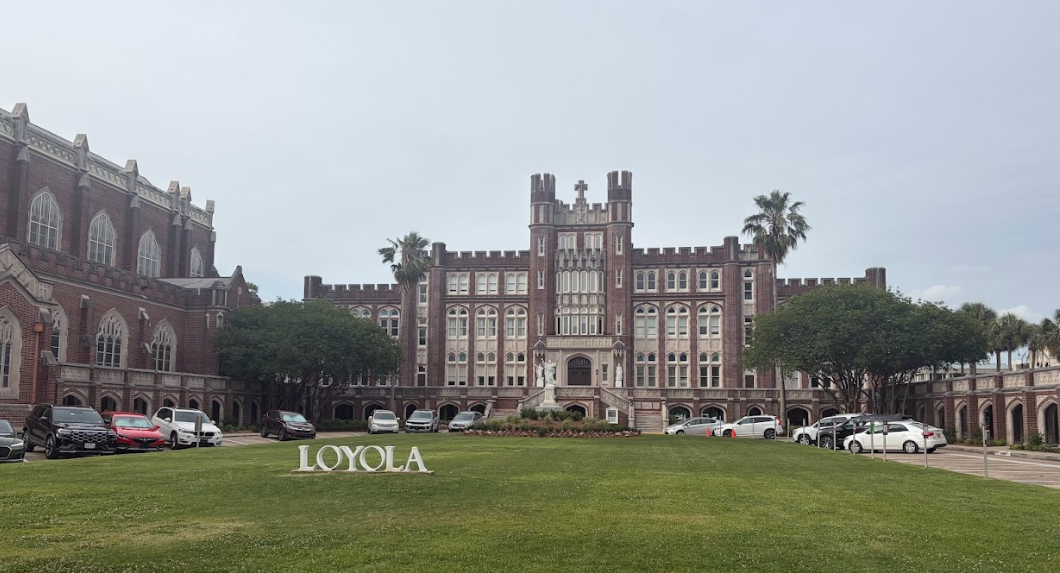
Loyola students and faculty are paying close attention to how the rollback of the Supplemental Nutrition Assistance Program has impacted the campus community.
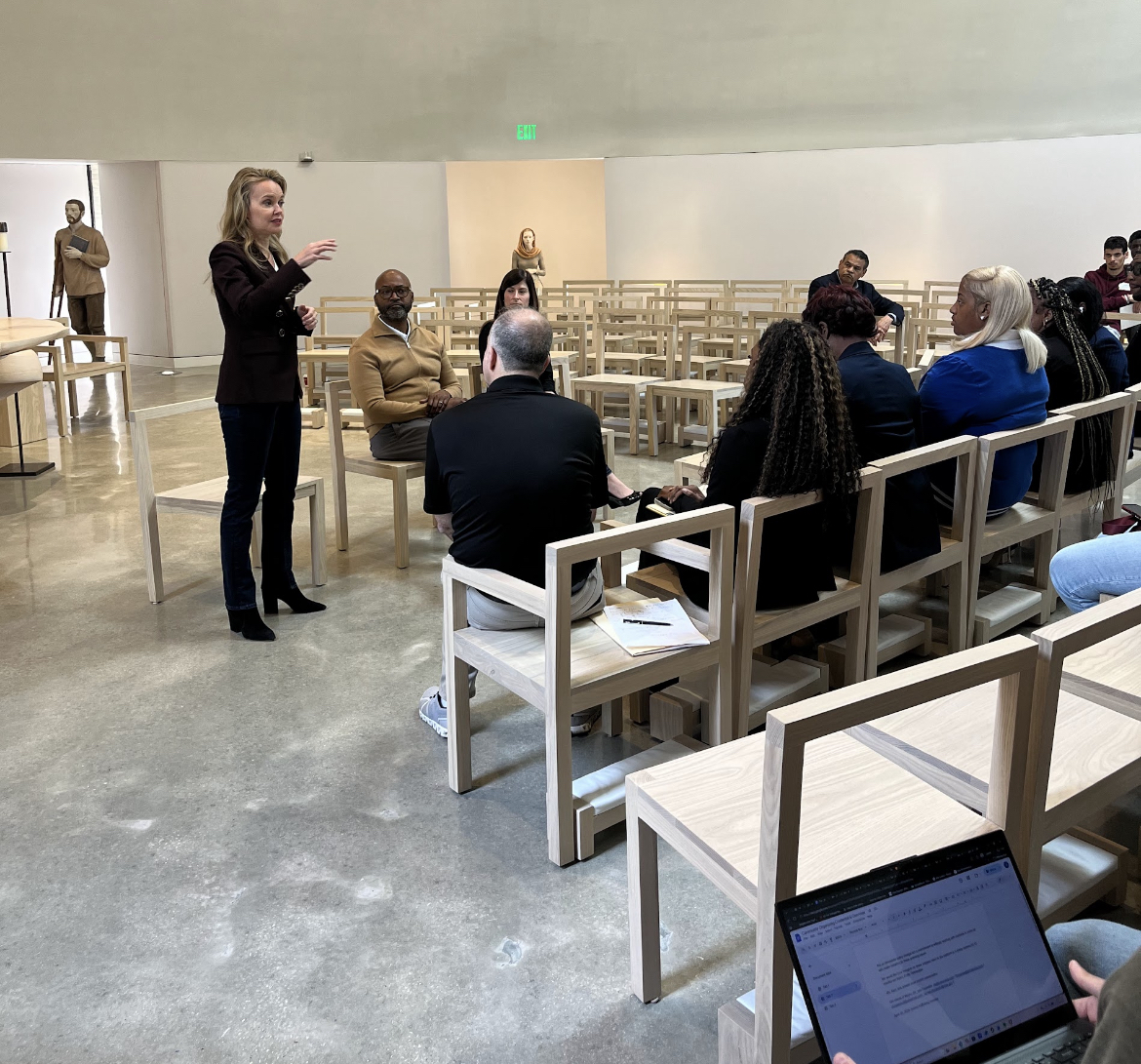
“We are a country without any guarantee of any universal income. SNAP was created because people felt that it was wrong for people to be going hungry in a country with so many resources,” said Annie McGlynn-Wright, a sociology professor who studies inequality and social policy at Loyola.
McGlynn-Wright added that SNAP plays a huge role in addressing the food insecurity problem in the country, especially as confusion continues around when the benefits will be made available through the longest federal shutdown in American history.
“This should be a federal responsibility. The longer this goes on, the more people that will be harmed, financially and emotionally,” McGlynn-Wright said.
There has been a series of court battles over the fate of the largest government food program, which serves about 1 in 8 Americans. Seesawing court rulings and messages from the U.S. Department of Agriculture have meant that beneficiaries in some states already have received their full monthly allocations while in others they have received nothing. Some states have issued partial payments.
Late last month, Louisiana lawmakers approved $150 million in emergency funding following the shutdown that threatened food assistance programs for millions. This state funding was intended to keep the SNAP benefits flowing throughout the month of November during the government shutdown.
Louisiana SNAP recipients are now instead receiving 65% of their usual benefits, according to the Louisiana Department of Health. Payments are rolled out on their usual distribution day, which is according to the last digit of the head of household’s Social Security number.
According to an announcement made by LDH Secretary Bruce Greenstein on Nov. 5, the USDA will issue guidance on providing 100% of federal SNAP benefits. Once the federal funding is received, LDH will administer the full amount of aid as soon as possible.
“It is extra upsetting to hear that this funding could affect thousands of families’ Thanksgiving meals,” said Olivia Sanyal, a Loyola sophomore and member of the Maroon.
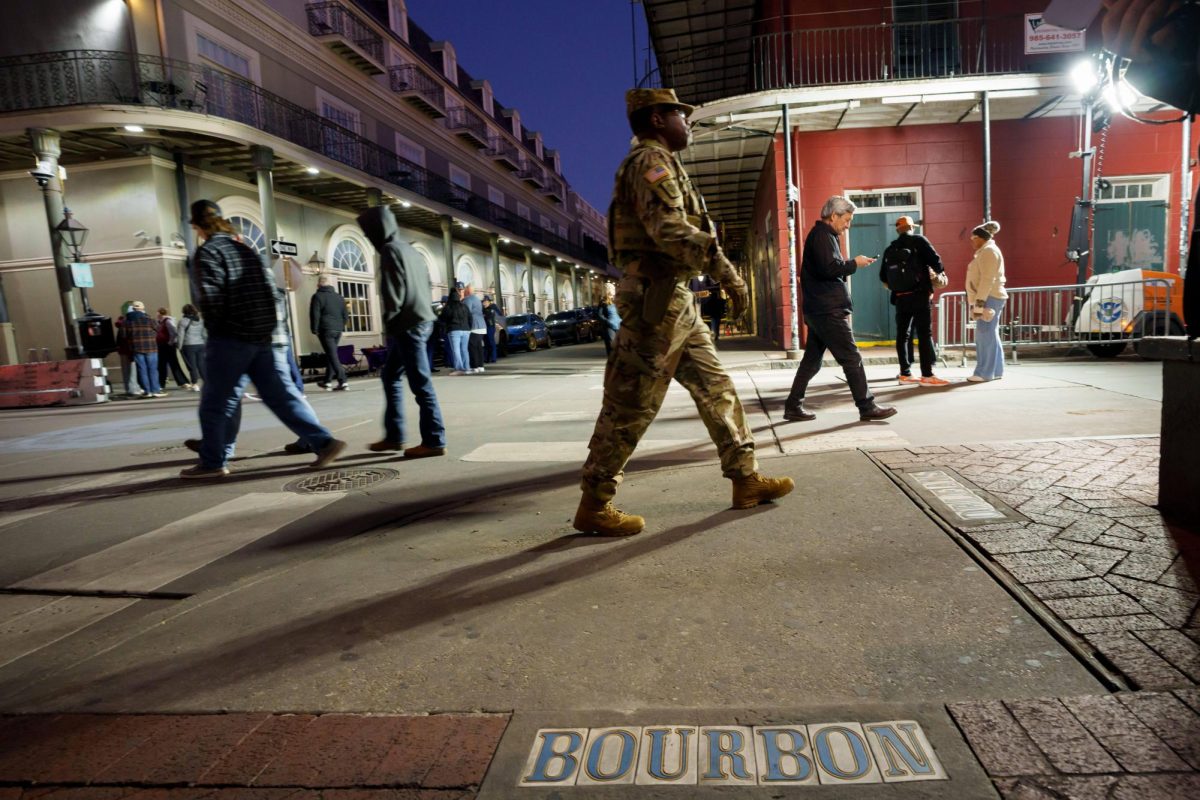
Despite the best efforts of states, local governments, and food charities, it won’t be enough to cover what the federal government does under SNAP. Some Democratic and Republican-led states launched efforts to pay for SNAP benefits using state money, boost food banks and deploy the National Guard to help with food distribution. Another group of states used their money allotted for SNAP benefits only after a judge ordered the Trump administration to cover the full cost for the month. Other people have turned to food charities but are sometimes finding long lines and low supplies.
The legislation to reopen the government passed by the Senate on Monday calls for states to be reimbursed for spending their funds to run programs usually paid for by the federal government. It’s not immediately clear, though, which situations might qualify in the case of SNAP.
“It is appropriate for a state to step in and help, it’s definitely not the desirable solution considering the options at hand,” McGlynn-Wright said.
Officials said that while program details are still incomplete, the effort will likely exclude “able bodied” adults who aren’t caring for children or don’t share a household with elderly or disabled members — about 53,000 recipients nationwide.
“The program is enough to keep people alive and not starve – but it has never been as substantial as it should be,” McGlynn-Wright said.
The Associated Press contributed to this report.