Humanity” exhibit.
(Gabrielle Conway/The Maroon)
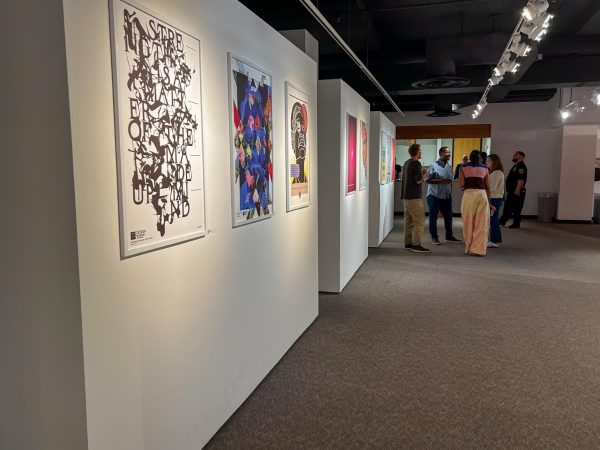
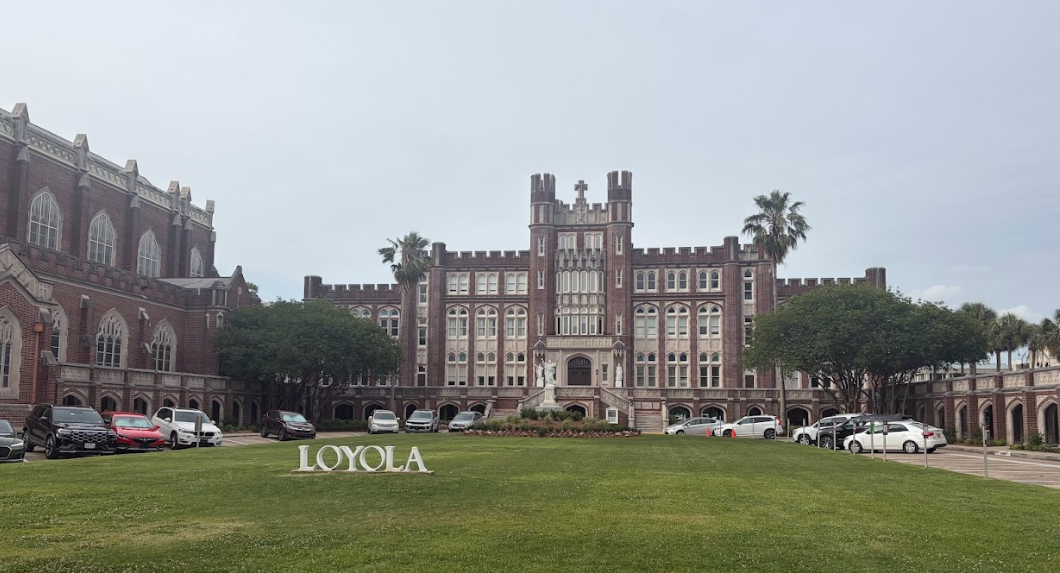
which opened on the fourth floor of the Monroe Library.
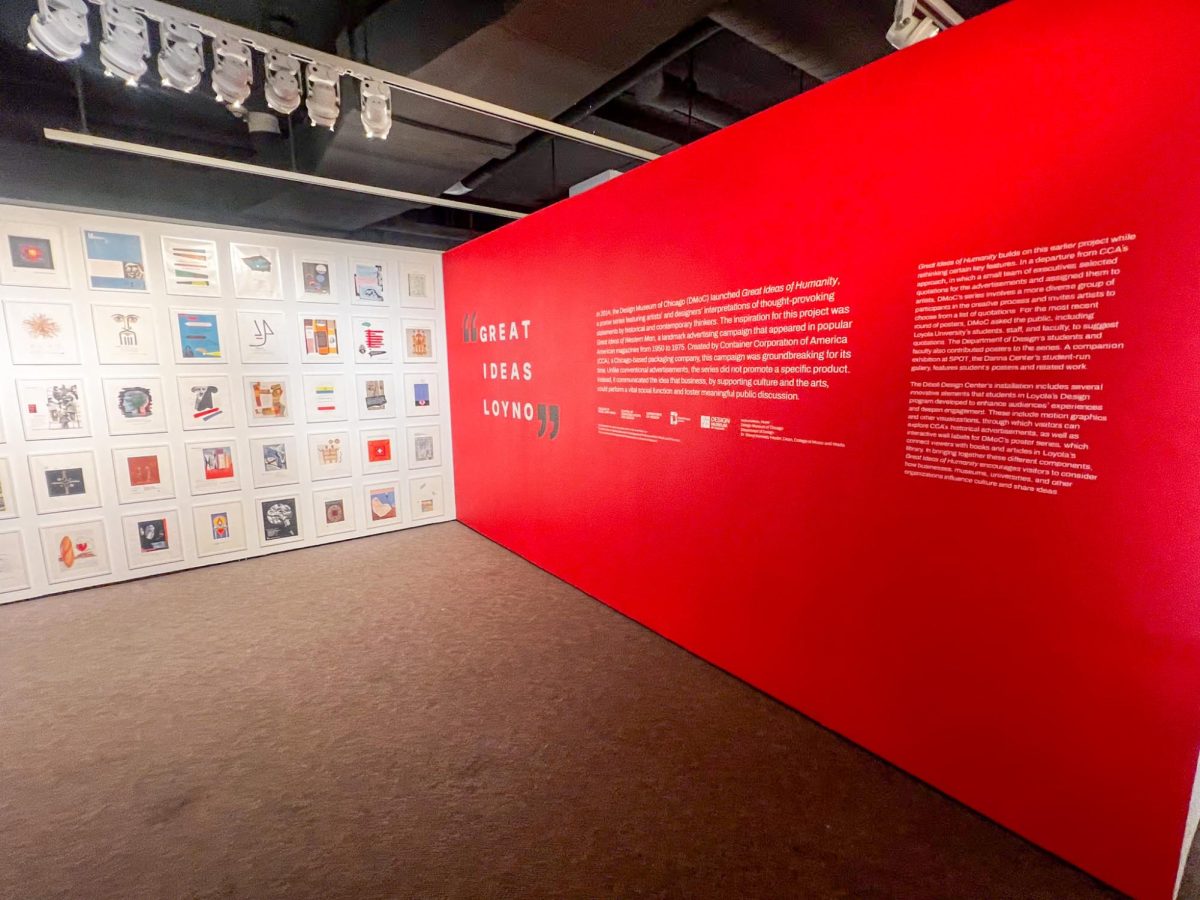
Loyola opened the doors to its most recent art exhibit, “Great Ideas of Humanity,” which is a poster series started by the design museum of Chicago in 2014, and the series has now reached up to 150 posters.
The design museum of Chicago collaborated with the design department and the college of music and media, with 50 of these posters now placed on the 4th floor of Monroe Library for students and faculty to see and become inspired by.
“The posters […] which include a few by faculty members from the design department, the posters respond to a whole series of different philosophers, novelists, poets, and scientists who said kind of thought-provoking things that then the designers are responding to in their own way,” said Professor of Art and Design History Benjamin Benus, who is one of the co-curators of this exhibition.
“Great Ideas of Humanity” as a series was inspired by an advertisement campaign from the 1950s called “Great Ideas of Western Man,” which was for a packaging company named Container Corporation of America. The campaign ran for around 25 years in the form of magazines where important statements from historical figures were combined with designs and interpretations from modern artists.
According to Benus, the campaign had a large impact on America during its time period, and as a result, the Design Museum grew the incentive to create this new campaign as a means of including more diverse voices, including more recent writers and thinkers, to stray away from a campaign focused on one form of ideas. Additionally, the new campaign continues to ask for different suggestions of other voices and ideas.
By bringing this exhibition to Loyola and having the university invest in it, Benus believes that by asking Loyola faculty, staff, and students for suggestions, he can introduce design students and others interested in similar campaigns to this exhibition.
“We found it to be a really effective way to create connections across the university,” he said.
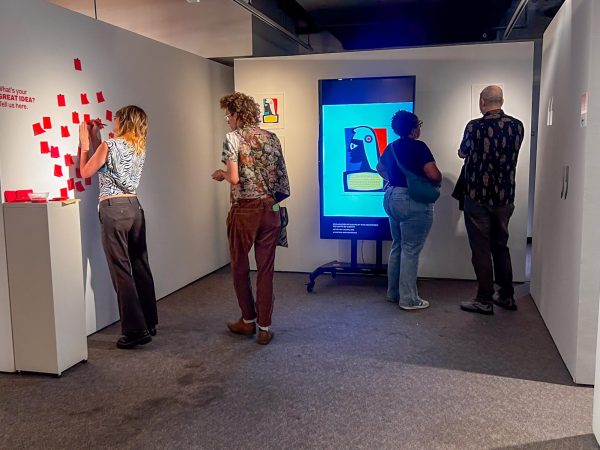
Because of the opportunity to introduce students to the campaign, Benus and the Design Museum worked to incorporate more interactive features that encourage the audience to engage with the works, including QR codes that provide information about the artists of each poster as well as the authors of the quotes.
Additionally, students in motion graphics courses have created animations that reimagined a few of the advertisements from the 50s.
“You’ll see the original advertisements from the 1950s alongside the screen, and then the students kind of reimagined what if they were collaborating with these, you know, designers now, and these designers had access to that kind of technology,” Benus said.
They also set up an interactive touch screen in the exhibit that displays the original series, including around 200 pieces that students can access and read more about.
Benus also expressed that one of the main reasons they went through with this exhibition was that they believed it would become a great opportunity for the creation of educational tools for students.
“I think the exhibition really provides a lot of opportunities for a conversation across disciplines, and we’re hoping while it’s here we can collaborate with other areas on our campus and have events to collaborate on programming,” Benus said.
The exhibit plans to stay up until the end of March 2026, and there is a QR code in the exhibit where individuals can submit inspiring quotations as recommendations for future works, providing more collaboration opportunities.