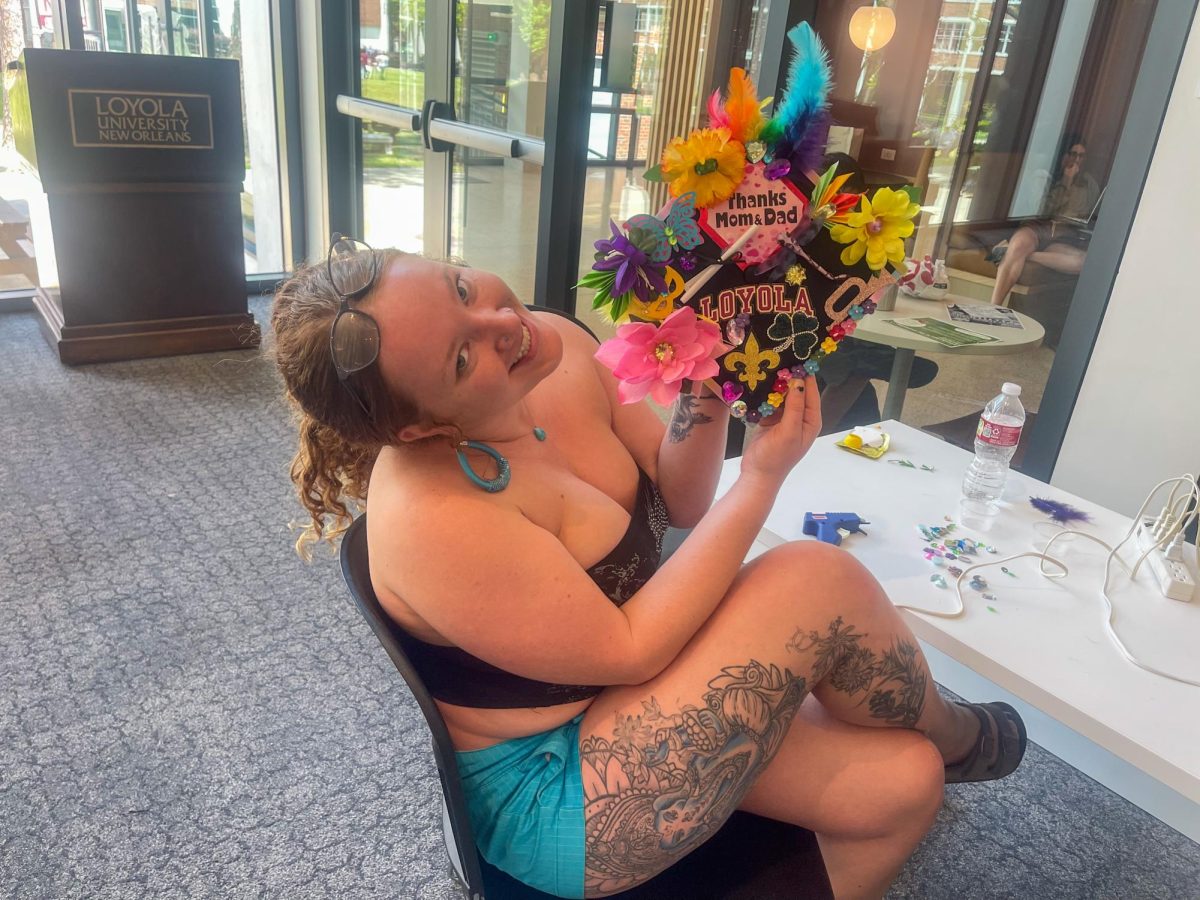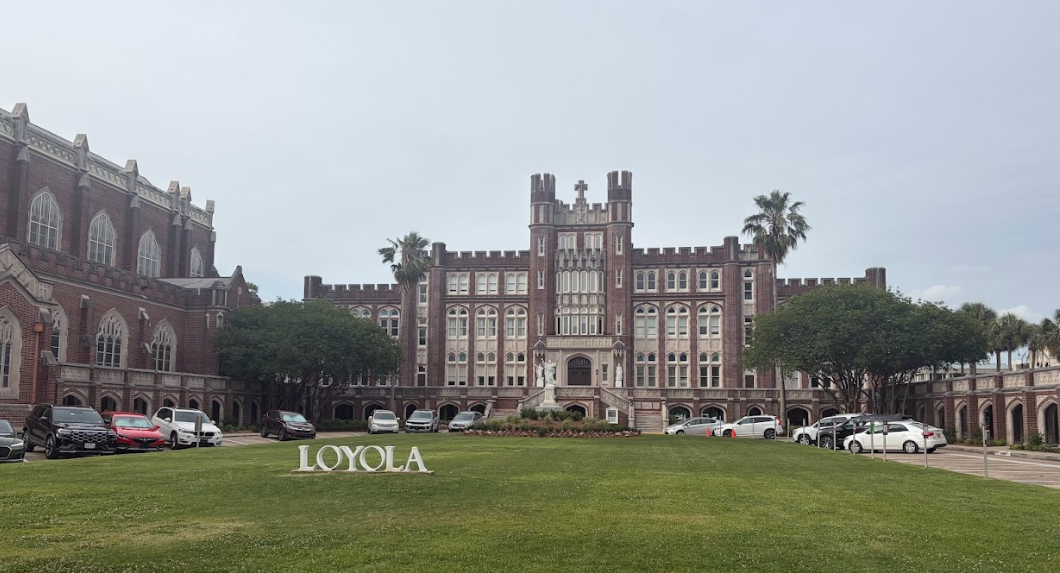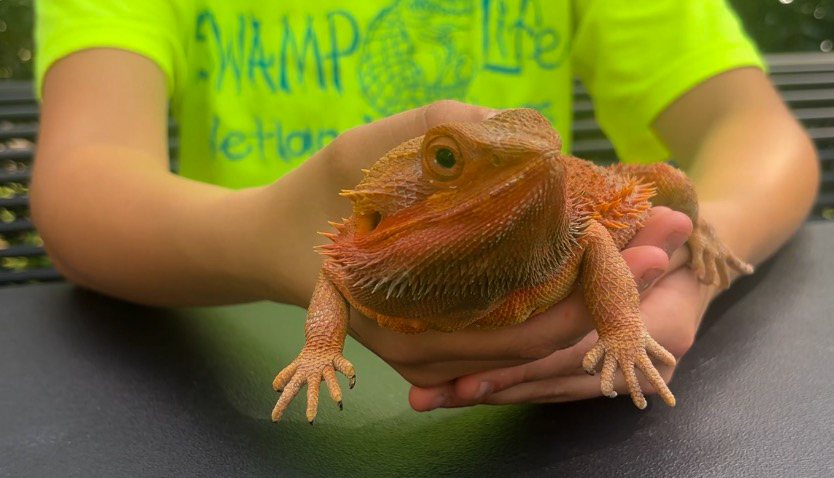
Loyola’s ninth annual Earth Week introduced two new events for students to participate in: The Geographic Information System Conference and a Walter Anderson Auction.
According to Environment Program Office Manager Kimberly Kahn, who worked alongside Biology department Research Associate Mark Tobler to curate the event, the addition of these events was meant to broaden the outreach towards students that Earth Week has.
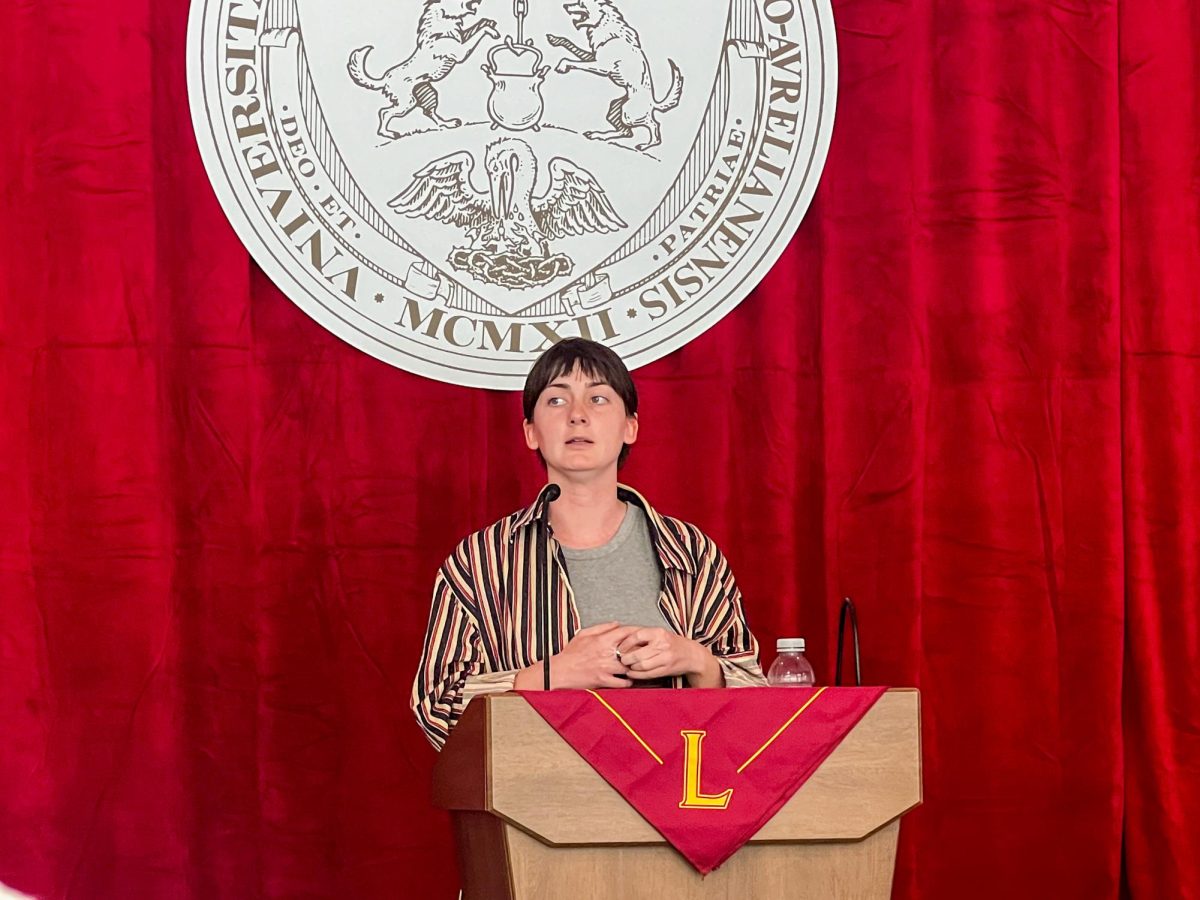
The GIS Conference took place on Tuesday, April 21 in the Tchoupitoulas Room, where multiple community and student presenters were able to open conversations about multiple issues surrounding measurements of data and the analysis of certain indicators. The conference ran for around four hours and also included a speech by Loyola’s president, Xavier Cole.
Additionally, The Walter Anderson Auction ran for the entirety of Earth Week, from April 16 to April 22, and auctioned a few of his pieces that were donated by the Walter Anderson family. Anderson was an artist connected to the Gulf South’s environment, so Kahn explained that the auction intended to intertwine arts and humanities with Earth Week while also keeping it local.
The funds received from the auction will go towards supporting future Earth Week projects, according to Tobler.
“There are always new things that we’re adding or that people come to us and want to participate in doing,” Tobler said.
Additionally, Khan recognized that as they have developed Earth Week, events have begun to reach out to other majors in a way that ties the entire university community together.
“Earth Week is becoming more than a set of fun and familiar events—though there’s nothing wrong with that. The addition of things like the GIS Conference and the Walter Anderson Auction shows the Environment Program is trying to reach different kinds of students and participants, just as we should,” Kahn said.
Alongside these two new events, Professor Craig Hood’s Bat Walk event ran for what may be the last time, since Hood is retiring after the spring semester. Hood is the E. Letitia Beard Distinguished Professor of Biological Sciences and Director of the Environment Program, and he has been in the Department of Biological Sciences since 1986. This year, he and 25 others went out to Audubon Park, where they saw and recorded various bats flying over their heads.
Another event that took place this Earth Week was the beautification of Dittman Circle, hosted by Keep Loyola Beautiful. Students and other participants planted a pollinator garden within the circle that will attract multiple pollinators to campus.
“They’ll be really beautiful and really bring a lot of pollinators, butterflies, and things like that in and tons of flowers. So by next fall, when everybody comes back for the fall semester, they should be doing really well and be just really stunning,” Tobler said.
Both Kahn and Tobler emphasized the importance of Earth Week to Loyola’s community for multiple reasons. One of these is because of the large amount of traction the Environmental Program receives throughout the week.
“For the Environment Program itself, Earth Week is its most visible moment of the year. It’s where the program translates its academic work into something public and tangible. Courses, research projects, and student interests that might otherwise stay inside classrooms get showcased to the broader community,” Khan said.
Additionally, Earth Week sets an example for students during the rest of the year. By showing them methods to appreciate and support the environment, Earth Week is ensuring that students are able to participate in environmental activism. Still, it is up to these students to carry out that attitude after the fact.
“People need to carry that vibe and that appreciation that they show on Earth Day itself through the rest of the year and practice even small things,” Tobler said. “If it’s using a reusable water bottle, if it’s bringing a bag to the grocery store instead of taking a new one, the smaller actions just make it a routine for you and you’re setting an example as well for other people. That’s really important to make people aware of the importance of the earth and the resources on it and how we’re using them and how we abuse them, too.”
Students for Environmental Action also helped the Environmental Program with many of the events in Earth Week, most prominently the Keep Loyola Beautiful event.
Katie Buc, SEA’s president and senior double-majoring in political science and environmental studies, views Earth Week from a full-circle perspective since she’s seen its development since her freshman year.
“It feels less like a collection of events and more like a coordinated effort to build a lasting environmental awareness and grow a culture of sustainability on campus,” Buc said. “And for me personally, being able to contribute to that in my final year makes it feel like a meaningful final push and a fitting way to close out my time here.
Buc also believes that Earth Week acts as a way for students to engage in the environment, and it also builds Loyola’s community around sustainability.
“It’s about turning Earth Day into something bigger; it’s about making it a week, or a year, or ultimately a part of your life,” she said. “Small steps become big impacts when you give people opportunities to engage and learn. I hope that this week creates momentum in someone’s life to be the change they want to see.”
Next year will be Earth Week’s 10 year anniversary, carrying out old and new events from years before. As of next week, Tobler and Kahn will begin planning next Earth Week’s layout in respect to how this year turned out.
“I’m encouraged, and I think we’re moving in the right direction, but I also see this as a moment to build on that momentum rather than coast on it,” she said. “If we keep pushing to connect these events more directly to student learning, faculty work, and the broader Loyola community, Earth Week can become something even more central to the life of the university.”