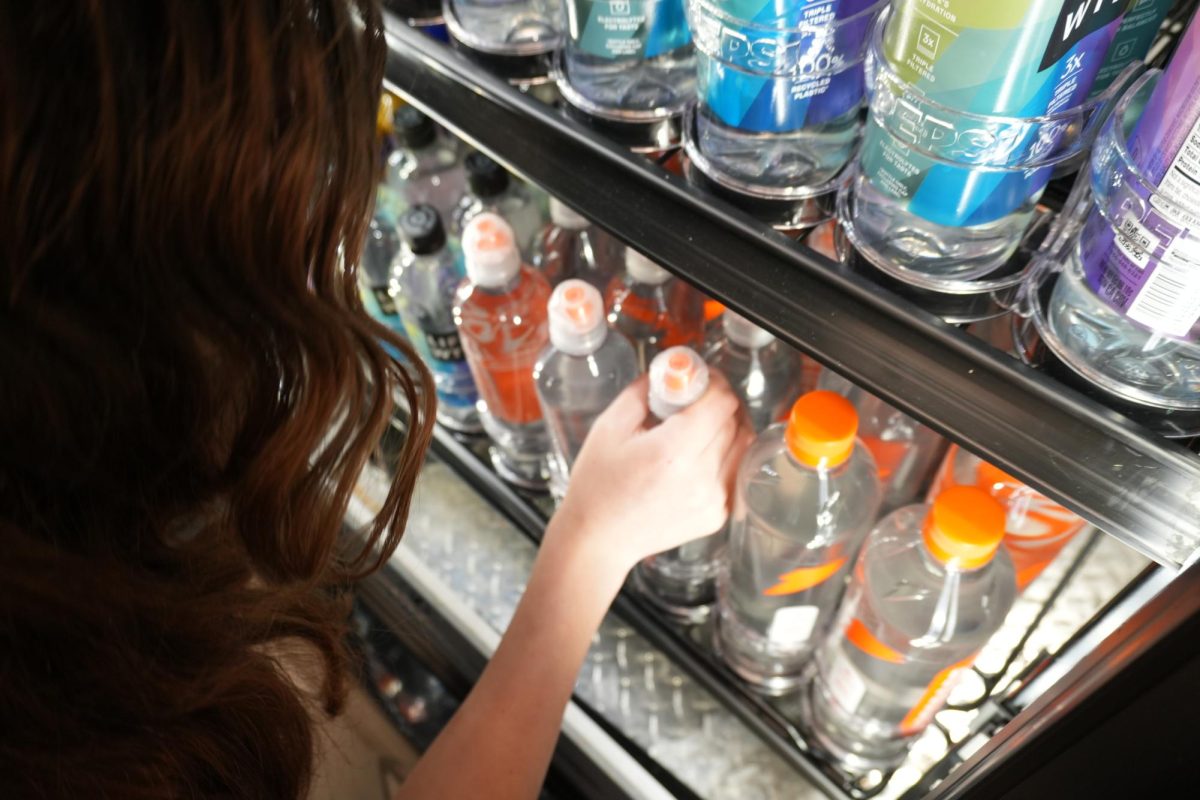
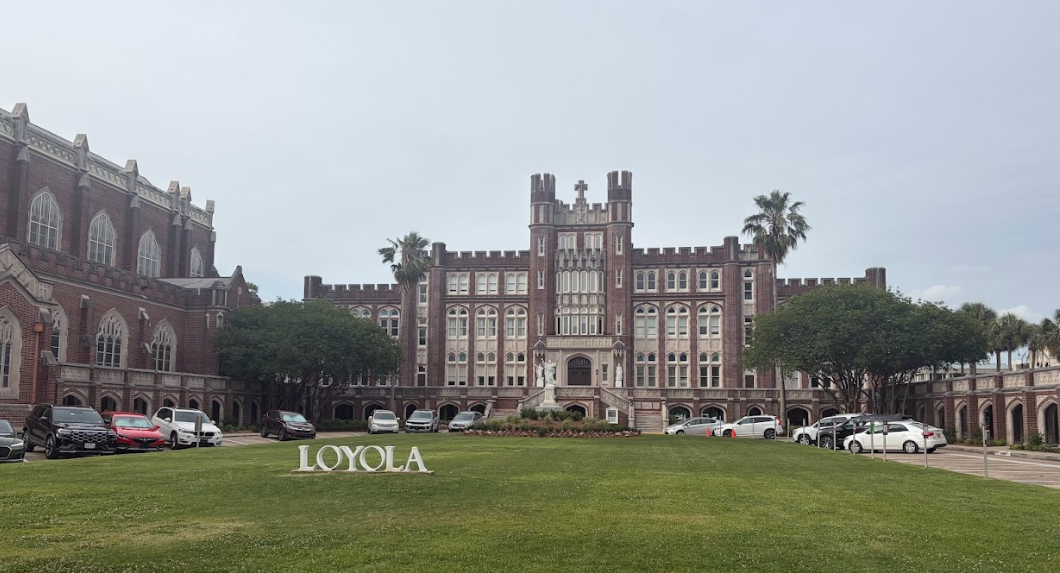
Spring has officially arrived, and changes to the market are still ongoing. Plans to completely automate the market system have been on the docket since early fall but have yet to come to fruition–clear from the covered-up card reader machines marking the entrance.
When asked about the timeframe for the artificial intelligence-powered sensors/card swipe system, employees were unaware of when total implementation would be.
One market attendee stated that “[she] had no idea when the finished date will be” and that the system was supposed to be up and running by the beginning of the spring semester.
Operations will look something like this: a student will tap their ID or debit/credit card, which must have at least $10 loaded on it to work (mentioned on the card reader machines), and the gate will open to allow them to shop. Once inside, sensors will track items removed from shelves. Upon leaving, students will be automatically charged for their purchases. It is supposed to be a zero-contact process, leaving the status of market workers up in the air. No information from Sodexo has been provided as of yet.
The new system is meant to be as efficient as possible, but students still have stipulations about it being AI-powered. Fears regarding technical difficulties, the ethics of AI on campus, and the lack of human interaction are increasing as the technical difficulties are being smoothed out.
“I think something’s going to go wrong with it. I’m scared people are going to get charged for things they didn’t buy. It freaks me out, all the cameras,” said Jane Kirsch, a freshman history major. “Most people I know don’t like AI or the use of it, and even if it’s to make the experience easier for [students]…I think human interaction is good. Like talking to the cashiers–everything is computers now.”
According to Kirsch, the automation is good for being aware of theft and makes for a “quicker trip,” but the old market system worked just fine.
Jesse Lopez, a sophomore philosophy pre-law major, had similar thoughts.
“It’s really ironic how the university is promoting and using funding to do this while it is actively in professors’ syllabi–and university policy–that AI is discouraged,” Lopez said.
As the semester continues, more updates will be released regarding the ongoing situation in the market. For now, the consensus appears to be that if AI has no place in the classroom, it ought not to have a place in the market.