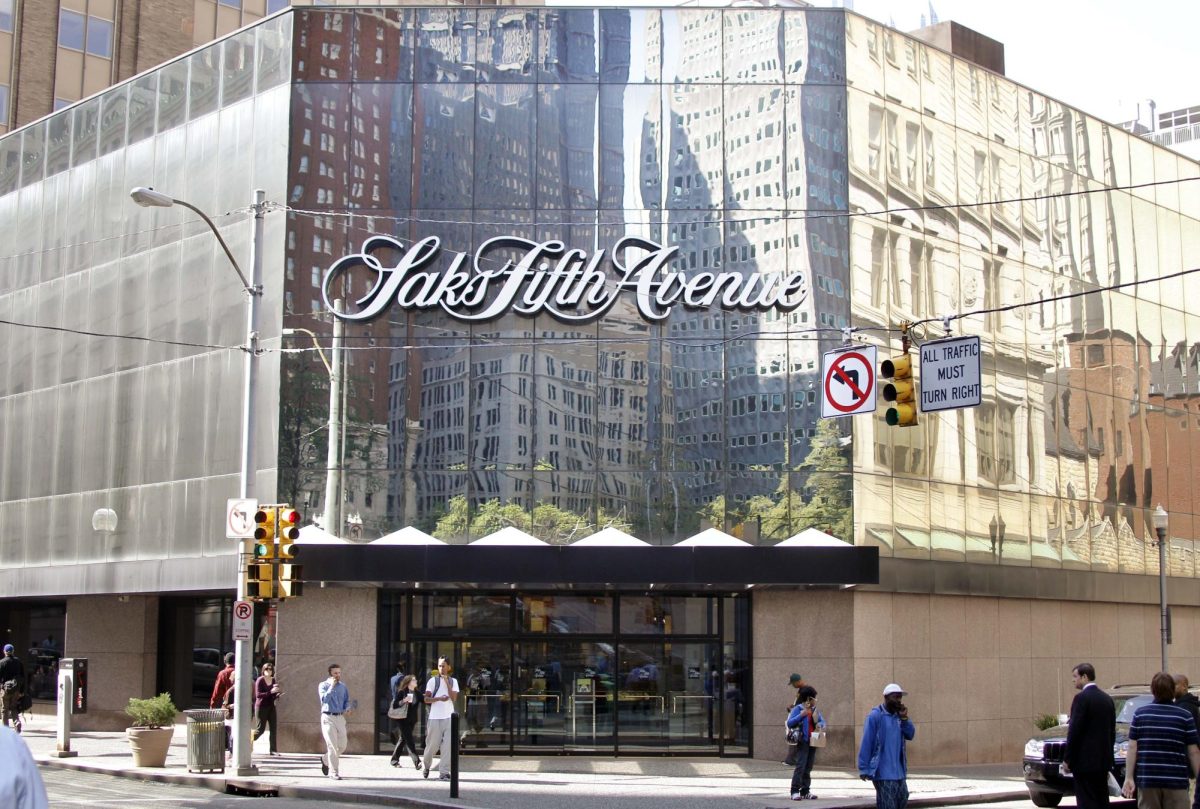
Saks Fifth Avenue. Bergdorf Goodman. Neiman Marcus.
Once iconic symbols of luxury, they are now disappearing before our eyes. Saks Fifth Avenue’s bankruptcy represents more than just the fall of an iconic brand, but a turning point in luxury retail.
Saks Fifth Avenue’s bankruptcy did not come out of left field for people keeping an eye on the brand. With mounting debt, questionable corporate expansion, and a shopping landscape dominated by online storefronts, large retail storefronts have taken the hardest hits. Back in the good old days, when department stores were the gateway to high fashion and luxury, shopping was an experience, with a curated vibe of exclusivity from store to store. Now, today’s consumers would rather trade in this selective shopping experience for digital convenience, delivered right to their front door.
Saks Fifth Avenue’s fall is just one example of an industry struggling to keep up with a constantly evolving definition of retail and luxury.
Unlike other company bankruptcies, the closure of stores like Saks Fifth Avenue represents more than the loss of a place to shop. When Forever 21 shut down, I knew I could get the same cheap, accessible clothes on a multitude of other platforms and stores. These flagships aren’t fast fashion like that, but symbols of fashion institutions, shaping how consumers experience fashion and shopping. An example of this is Saks’ infamous window displays. Destinations within themselves, these displays were a touristic attraction without even walking in the store, spreading brand awareness and drawing crowds for a shared luxury retail experience.
Now looking into the future, it’s difficult to see what this means for luxury retail and what will now define that shopping experience. These brands need to shift their experience to attract this new market of consumers, implementing new tactics like visual storytelling, resembling their window displays on social media. It’s keeping their brand and staying true to themselves, just with a modern twist.
A lot of luxury labels have shifted to selling through selectivity in direct-to-consumer models, favoring brand-owned boutiques with limited drops to maintain an air of exclusivity and luxury. This is positive when it comes to controlling pricing, inventory, and the narrative that department stores used to own.
As luxury shopping grows into a personal and digital space, these dynasty brands need to adapt, or they are at risk of becoming irrelevant in this industry.
We can’t solely blame the downfall of Saks Fifth Avenue on a changing market, but corporate decisions and financial mismanagement also played a crucial role. After years of expansion that accumulated debt, the company was left vulnerable when the sales weren’t equaling the cost of these new developments. Loyal vendors and designers were met with delayed payments while stores couldn’t maintain inventory. This isn’t the first time luxury retail was met with bad business, but without strategic insight and preparation, these companies can falter all the way to bankruptcy.
When these stores close, the damage goes farther than meeting a quota or correcting a balance sheet. These flagship locations were not just retail spaces, but landmarks and cultural symbols of fashion itself. Fifth Avenue has boosted the American shopping experience, creating a new market in our system surrounding luxury experiences and shared moments of admiration. Many young people fell in love with fashion through these unattainable spectacles that left them with something to work toward. I never wanted to go to Disneyland growing up, just the New York City fashion district, where I could look in awe at all of the clothing and accessories that I hoped to one day call my own.
Losing the spectacle that is fashion through these immersive retail experiences is a warning of a changing world. Nostalgia and legacy aren’t enough anymore for these luxury brands, but an experience like no other is still a part of human nature; they just need to find that for this new generation of consumers. The fall of Saks Fifth Avenue marks the end of an era, but the beginning of an opportunity for reinvention that only a high-fashion brand can do.