The U.S. Court of Appeals for the Fifth Circuit recently ruled that U.S. copyright law now allows songwriters to reclaim ownership of their work, a decision that could potentially start change across the music industry on a global scale.
According to a Loyola University press release, the case Vetter v. Resnik centers on “termination rights” which in U.S. copyright law “allows songwriters to reclaim rights to their work after a set period of time, even if those rights were previously signed away.”
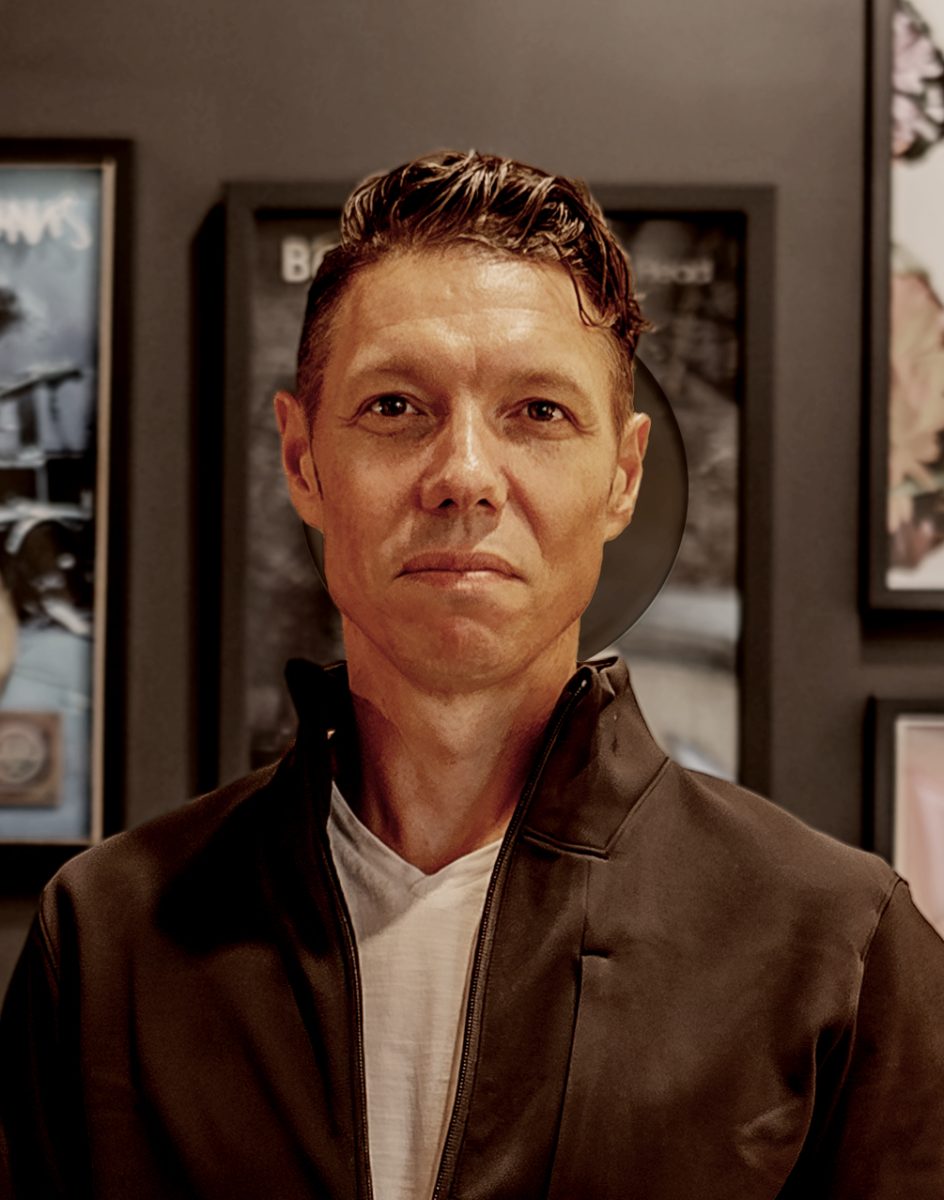
Tim Kappel, an assistant professor of music industry studies at Loyola and a nationally recognized expert in music and copyright law, represented Cyril Vetter.
The case involved Cyril Vetter and Don Smith’s smash hit “Double Shot (Of My Baby’s Love)” which was recorded by The Swingin’ Medallions.
Vetter and Smith wrote the song early in their careers and like many songwriters, signed predatory publishing agreements that would prove to have major financial ramifications.
The agreement they signed gave ownership of the song to Windsong Music Publishers, Inc for only $1.
After Smith’s death, Vetter gained Smith’s rights to their song “Double Shot” and went to seek full ownership of it.
In 2022, the American Broadcasting Companies, Inc. went to Vetter in hopes of licensing his song “Double Shot” for a program that would be broadcasted worldwide.
However, Resnik Music Group, a record label and music publisher bought the rights to the song from Windsong and claimed to still own a partial interest in the song outside of the U.S.
Due to this claim, Vetter filed a lawsuit and with support from Kappel, The Author’s Guild, Songwriters Guild of America, and the Screen Actors Guild–American Federation of Television and Radio Artists, reclaim ownership of his song globally.
“This case sets a huge legal precedent for rights disputes going forward,” said Olivia Pampinella, a music business major at Berklee College of Music.
“Unfortunately, in the music industry, artists are underdogs when put up against labels and the powers that be” she said “this is a major win”.
Loyola student and music industry major Harper Secor weighed in as well, stating that she thinks this case is “super beneficial” as so many artists and songwriters have been “used by the industry, and situations like these are normally thrown on the back burner” Secor said.
“This win gives the power back to the artist and fights the sometimes predatory industry that profits off of us.”
The recent ruling has given local artists hope for an honorable and just future for the industry.
“This case was about essentially upending what we considered to be questionable – but long standing – industry practice” Kappel said.
“As the owner of the copyright, you get to decide how the work is used, or not used, and you get to retain 100 percent of the revenue, as opposed to 20 percent, 30 percent, and 50 percent of the revenue. So it’s about control. It’s about revenue. But really what it’s about is fairness. This is what Congress wanted” Kappel said.