What makes a Mardi Gras parade good? It comes down to several factors: the overall vibe of the parade, a coveted catch, and how generous the riders are with their throws. In order to be able to rank Mardi Gras parades, it is important to know how they began. Mardi Gras parades began as organized processions created by social clubs, or krewes, to celebrate Carnival through elaborate floats, costumes, and throws shared with the public. Over time, some krewes grew so large and extravagant that they became known as super krewes, parades with massive memberships, balls, floats, and sought-after tosses that dominate the Mardi Gras season. Below, I’ve ranked Mardi Gras parades based on how well they balance tradition, creativity, crowd energy, and the overall experience they offer.
#1: Muses
Muses is one of the most popular parades, especially because of its famous glittery shoes. People along the route compete hard to catch them since they’re handmade and considered a big deal. I also think Muses stands out because it’s an all-female krewe, and you can feel that difference in the creativity of Muses’ float and costume designs. The Laissez Boyz add another layer to Muses, making it that much more special. They bring this laid-back, slightly ridiculous energy that keeps the parade from taking itself too seriously and reminds you that Mardi Gras is supposed to be fun. Picture this: you’ve just caught a shoe, and nearby, some Karens are having a heated debate about who it belongs to as you casually retreat to your spot on the route. As you do, the Laissez Boyz cruise past in their motorized reclining chairs, completely unbothered. That’s Mardi Gras in a nutshell. Laissez les bons temps rouler! (And ignore the crazy people.)
#2: Endymion
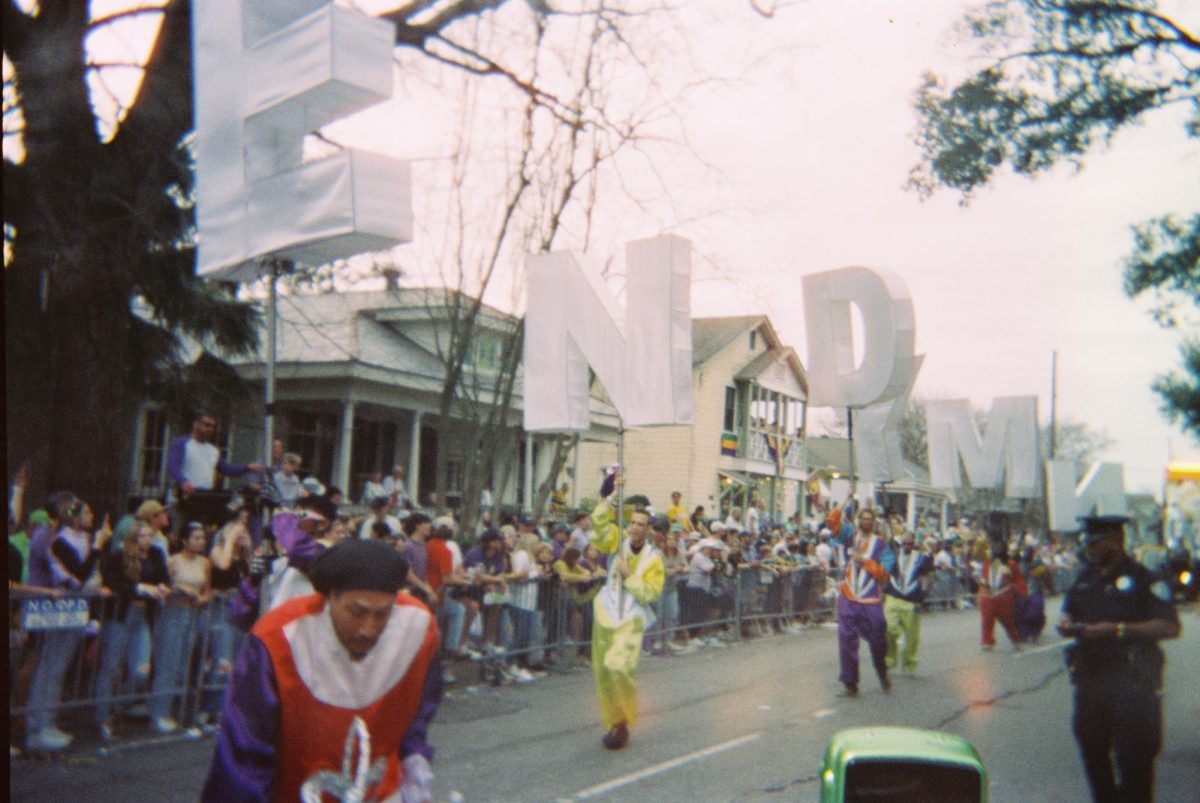
Endymion is known for being absolutely massive. As one of the three original “super-krewes,” the floats are some of the largest you’ll see during Mardi Gras, and they really tower over the crowd. Riders are generous with throws, so people usually leave with bags full of beads and other items. The parade feels like a huge event rather than just another parade. Between the size, lights, and crowd energy, no other parade really compares to Endymion. You won’t want to miss it, in all its glory.
#3: Bacchus
Bacchus is another “super-krewe” like Endymion. The floats are giant and usually feature pop culture themes that people recognize. The parade has a very fun, party-like atmosphere where you’ll see both high schoolers and college kids having a blast. Bacchus is a great parade to go to at night if you want high energy and excitement. The best way to spend Bacchus is to go to a friend’s house, hang out and get ready for the parade, and then head to the route together to catch some throws. One of the main floats that Bacchus has every year features “Bacchus,” or Dionysus, the Roman/Greek god of wine, with his grapes.
#4: Iris
Iris is another all-female krewe and plays an important role in Mardi Gras by offering a parade that feels welcoming and accessible to a wider crowd. It is best known for its decorated sunglasses, which have become a signature throw and are especially popular with families and younger paradegoers. Because Iris rolls during the day, the atmosphere is noticeably calmer and more relaxed than nighttime parades, making it a common choice for families, first-time attendees, and people who want a less intense experience. Iris doesn’t have the overwhelming scale and presence of the super-krewes that occur at night, but it still features beautifully designed floats and brings the community together.
#5: Orpheus
Orpheus, like Bacchus and Endymion, is a “super-krewe,” known for its large floats and generous throws. The gold and red foam footballs from Orpheus are especially popular, and people often go just to try to catch one. Orpheus usually attracts big crowds and has a dramatic, flashy style. It feels like a major Mardi Gras moment without being overwhelming.
#6: Rex
Rex became a parade in 1872 when New Orleans leaders wanted to create a more organized and respectable Mardi Gras celebration for the city. The Krewe of Rex was formed to host visiting dignitaries, including a Russian grand duke. The parade helped establish many traditions still used today, like the official Mardi Gras colors (purple, green, and gold) and the idea of an annual “King of Carnival.” Rex is significant because it helped shape modern Mardi Gras, turning it into a structured, citywide celebration. Today, Rex represents tradition, history, and continuity, which is why it remains one of the most important parades of the season.
#7: Tucks
Tucks is known for being silly and not taking itself seriously. The parade focuses on immature potty humor, with throws like plungers and poop emojis. This makes it funny and entertaining for people who enjoy jokes and chaos. Tucks is all about having a good time and laughing, not being fancy or traditional.
#8: Krewe d’État
Krewe d’État has a fun and creative vibe, especially because of its light-up throws that look cool at night. The parade often includes political satire and jokes, which adds to the humor. Typically, you’ll see floats mocking the president and other well-known figures in politics and media. There are caricatures that depict these figures and turn them into crowd-favorite jokes. The overall energy is positive, and the crowd usually has good vibes. It’s a solid parade if you want something entertaining and unique.
While everyone has their own favorite parade, these rankings reflect moments that make Mardi Gras unforgettable: big crowds, better throws, and the shared excitement that fills the streets. No matter which parade you love most, being part of the Mardi Gras season is what truly makes the experience special. Happy Mardi Gras!