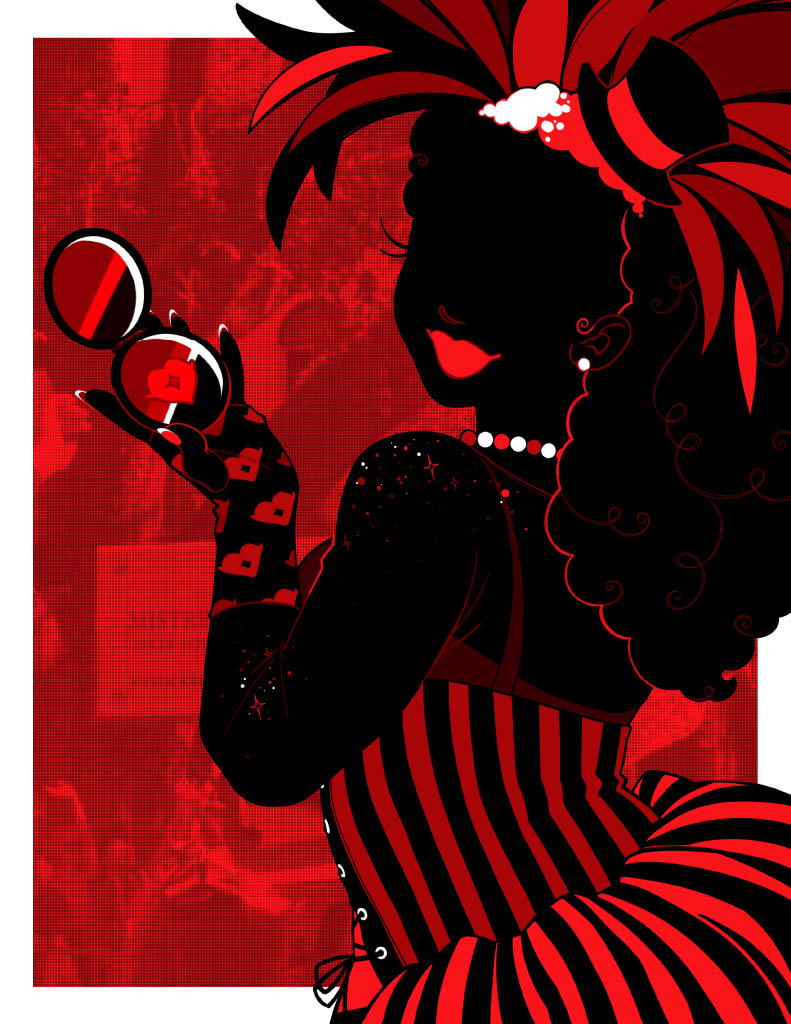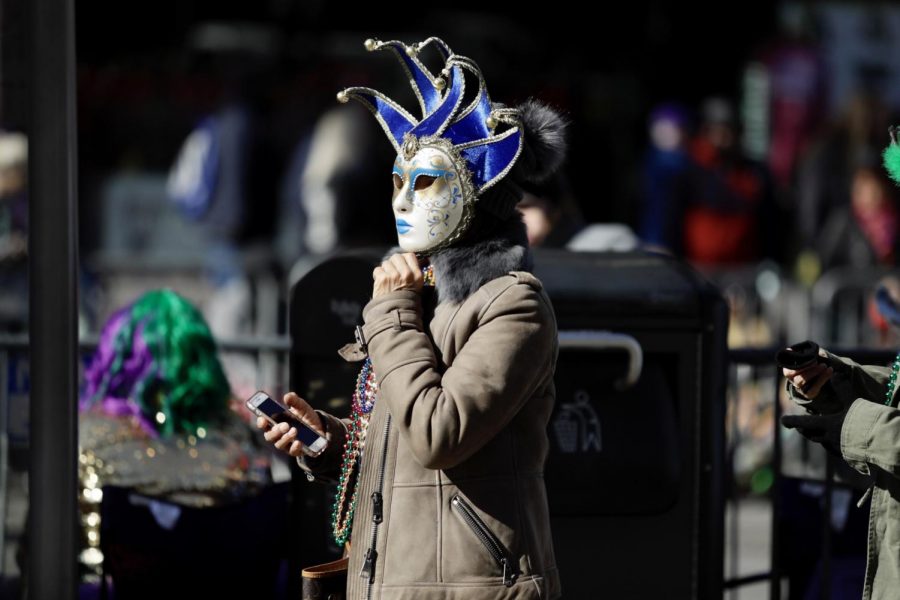
During Mardi Gras, we see creative freedom expressed all around New Orleans and beyond the city to show off the culture and identity of individuals from all walks of life. The talent and making of everything in Mardi Gras, from floats to decorations to costumes and masks to traditions, all hold deep meaning. Masks are elaborate and expressive, which make them powerful tools to tell stories and establish identity. A main part of the Black Carnival experience in New Orleans is letting individuals fully emerge themselves in their authentic self and being proud of who they are.
The emergence of the Mardi Gras Indians, also known as the Black Masking Indians, in the late 1800s became a key part of the Black Mardi Gras experience and tradition. Individuals of many groups craft jeweled and beaded outfits with feathered headdresses that represent the combined elements of Native American and African heritage with Mardi Gras and celebrations. Celebrating with creative expression like drumming, singing, and performing, these traditions were started to help resist colonization and were created at the time that segregation refused Black individuals from being involved in parades. Since then, these traditions have lived to preserve history and to highlight, spread, and assert Black pride across generations.
Another tradition that is deeply rooted in carnival culture are the famous second line parades. Community members gather together to blend together music, fashion, dance, and collective shared talent to spread celebration and unity. Historically, second line parades emerged from the Black communities as celebrations in their neighborhoods. Organizations in neighborhoods offered social aid to people who were freed from slavery; giving assistance with insurance, loans, burials, finances, and medical issues. Organizations used these parades to publicly show expression of individual pride, resistance, unity, and collective strength.
Black Mardi Gras traditions represent walking and living history through the creative voices of influential individuals. All around New Orleans, music, performance, masks, dance, and art celebrate the season while interweaving the historical identity and community. Mardi Gras traditions like the Black Masking Indians and the second line parades are shaping the future while honoring the past.