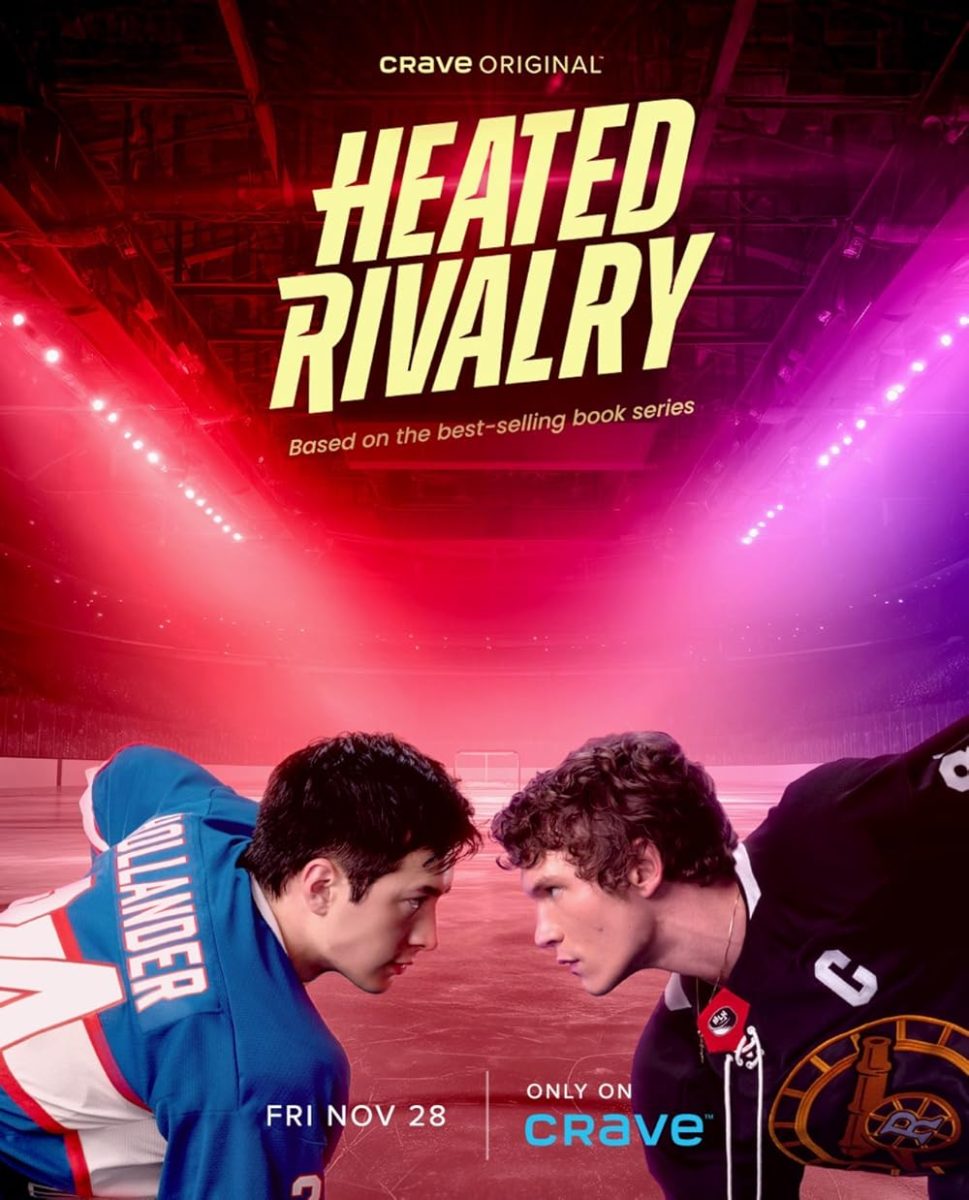
Over the winter break, I found myself “victim to the algorithm.” Every other post on my social media feeds seemed to be centered around a very new but rising popular television series that was growing in acclaim just as quickly as it had been released. Before I knew it, nearly every post on my social media feed was talking about Heated Rivalry. The series had immediately sparked many conversations surrounding the substance and content of the show. Something that caught my attention in particular, was the quick criticism the show received regarding its portrayal of queerness.
Many social media users began to raise questions about the representation and visibility that the show brought to Lesbian, Gay, Bisexual, Transgender, and Queer (or Questioning) communities. The show garnered a wide audience of heterosexual female viewers, raising questions of who the intended audience of the series really was. Other concerns circulated, including the depiction of homosexuality in hypermasculine spaces and the ethics of actors who are presumed straight portraying queer characters. The laundry list of potentially problematic instances that have risen from the popularity of Heated Rivalry may appear endless, but are actually focused on one particular issue: media representation. At the core of this issue, it is futile to examine the individual goodness of gay characters on television. Many people equate the goodness of a person to the accuracy and therefore the perfection of their representation of the community. This is reductive. Queer people, just like any other person you may meet in your day to day life, are nuanced and not always perfect. A queer person with character flaws is still an accurate representation, whether we agree with their choices or not.
The pressure for these characters to be depicted as perfect models of queerness stems from a lack of representation on screen as a whole. According to McInroy and Craig, “From the first representations of LGBTQ identities on television in the 1960s to contemporary representations, LGBTQ people have consistently been stereotyped as comic relief, villains and/or criminals, mentally and/or physical ill, and victims of violence.”. In the study conducted by McInroy and Craig, young adults in Canada gave them many responses discussing the representation they saw as inadequate, criticizing characters for one-dimensional stereotypes which resulted in limited storylines and trajectories for the LGBTQ characters.
This issue of representation extends in many directions. Atypical representations of queer men, like presented in Heated Rivalry opened up the discussion to another significant issue. Many comments critical of the show are upset by the idea that the characters are not merely gay, they are depicted in a hypermasculine context. The show takes place within the world of professional sports, a profession that is not visibly queer both in real life and on screen. In a study performed by Galdi, Guizzo, and Fasoli, depictions of masculine-aligned homosexual men can actually exacerbate homophobic responses from heterosexual men, stating “counter-stereotypical masculine gay men ‘blur’ the distinctiveness between heterosexual and gay men, in that they share both the same sex category and the same masculine traits. It is therefore possible that exposure to counterstereotypical masculine gay men poses a greater threat to men’s heterosexual social identity than stereotypical feminine gay men, thus leading heterosexual men to engage in attempts to restore their ingroup distinctiveness.” Their study amongst straight men in Italy came to the conclusion that depictions of counterstereotypical gay men in television led to widely negative reactions due to a lack of distinctiveness from their heterosexual counterparts. In relation to the widespread negativity that has targeted Heated Rivalry and its depiction of men within the world of professional sports, it is reasonable to believe that much of this backlash, specifically from straight men, is due to the representation of homsexual men in a context outside of the typical stereotypical boundary they are usually depicted in on television. If anything, it is a necessary signal that widespread representations of a multitude of queer identities and presentation are required in the mainstream.
Overall, I do not believe that Heated Rivalry is an evil to the queer community that many social media critics have attempted to make it. While many valid concerns have been raised as a result of this overnight phenomenon, the core issue of representation is what deserves our attention. What the success, and subsequent backlash, of Heated Rivalry should ask us to is to examine what representations we have been exposed to through the mediums of film and television, and how we can find greater acceptance of multitudes of representations in our entertainment.