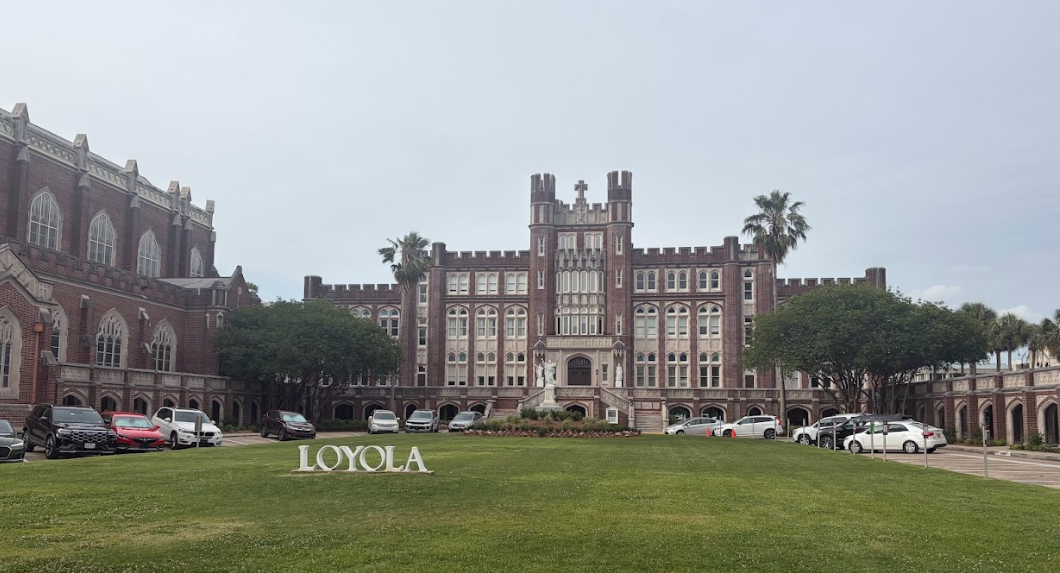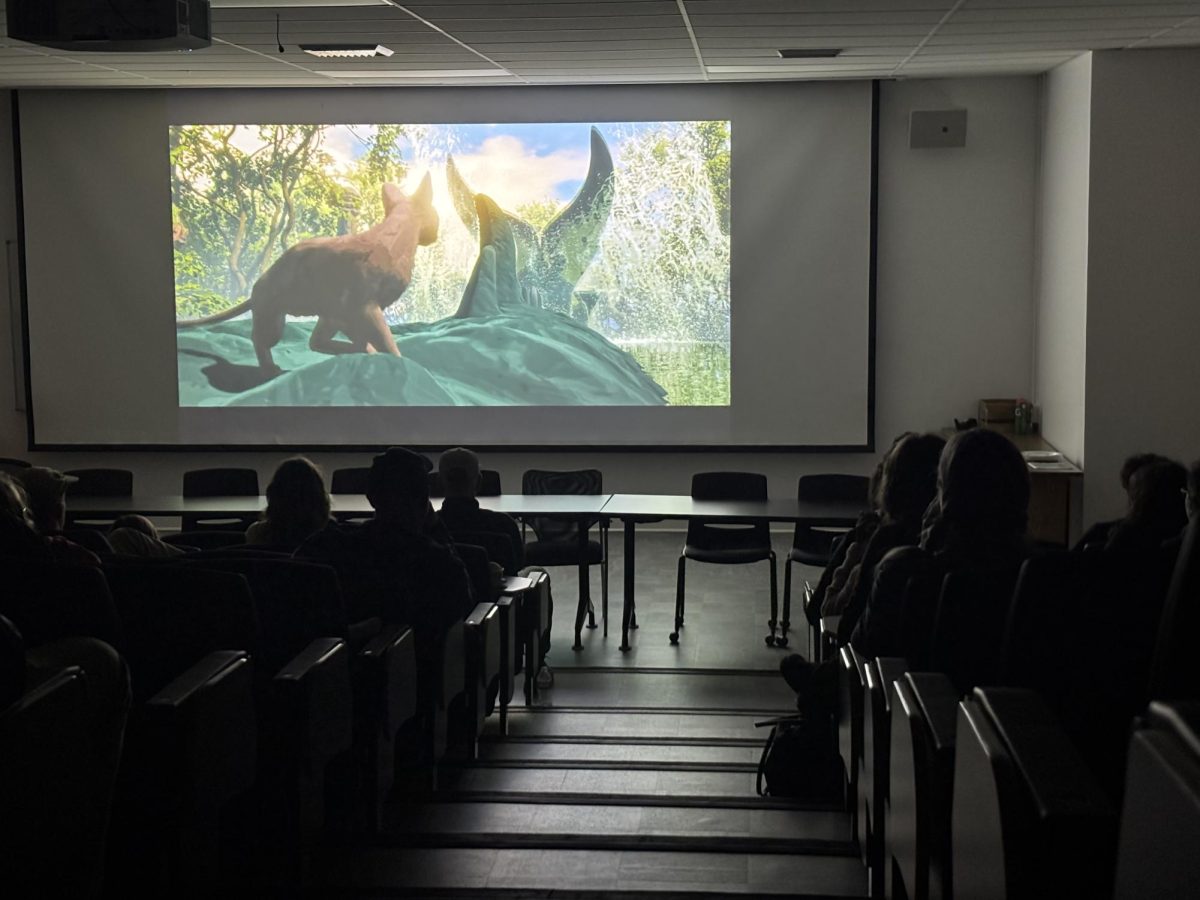
With March being national Francophonie month, Loyola is hosting its Francophone Film Festival alongside the New Orleans French Film Festival. However, unlike its New Orleans counterpart, every screening on campus will be free to Loyola students and the public.
“I think the public audience is different. We would like [Loyola’s French Film Festival] to benefit our student body,” said Leopoldo Tablante, a professor of Francophone studies.
Tablante explained the importance of New Orleans celebrating the French language. New Orleans was a francophone city until political prohibitions in the 1920s shifted the city to become English speaking.
“South Louisiana is a Francophone area of the world, so it makes sense to have a Francophone movie festival here,” he said.
Additionally, Loyola’s festival aims towards celebrating the heritage of Francophone countries all around the world, especially countries that were colonized by Anglo-Saxon forces. The first two movies of the festivals have been French classics, but afterwards, Tablante focuses his efforts on acknowledging multiple cultures.
“When we talk about a Francophonie era, we are talking about diversity,” he said. “Very often I also try to make sure that those movies are directed by women, but this time we were not that successful.”
Tablante believes focusing on diversity also represents the interests of Loyola students, which includes addressing issues of gender, minorities, civil rights, and political struggles.
“I try to make it diverse in that sense,” he said.
Tablante started Loyola’s festival in March 2024 as a means of getting the French studies program more traction while also being more involved with Loyola’s community.
“One of the things that we needed to do to create a little more activities and more action in the program was to create a French club and a cinema club,” Tablante said.
The first event was informal, with Tablante finding movies from the library and his own possession. After there had been a big turnout of students, Tablante decided to apply for a grant with Villa Albertine to show higher quality movies.
“I knew that we had to support it,” said Thibault Bladek, Director of Villa Albertine in New Orleans. “There’s this motivation here, and anything we can do to support, we do.”
While Loyola’s screenings are free to the public, Tablante stated that the New Orleans French Film Festival at the Prytania is more focused towards cinephiles that will make the theater sustainable income.
“I think their goal is to promote French cinema more with a current of interest that appeals to other audiences who actually pay money to go and watch those movies,” he said.
While the New Orleans festival is customized for cinephiles, Loyola also aims to create a cultural hub not only for students, but also for the city.
So far this year, the festival has screened L’armée des ombres, La passion de Dodin Bouffant, Flow, and Dahomey. They will screen two more movies next week to finish off the month: Quand vient l’automne and Soundtrack to a Coup d’Etat.