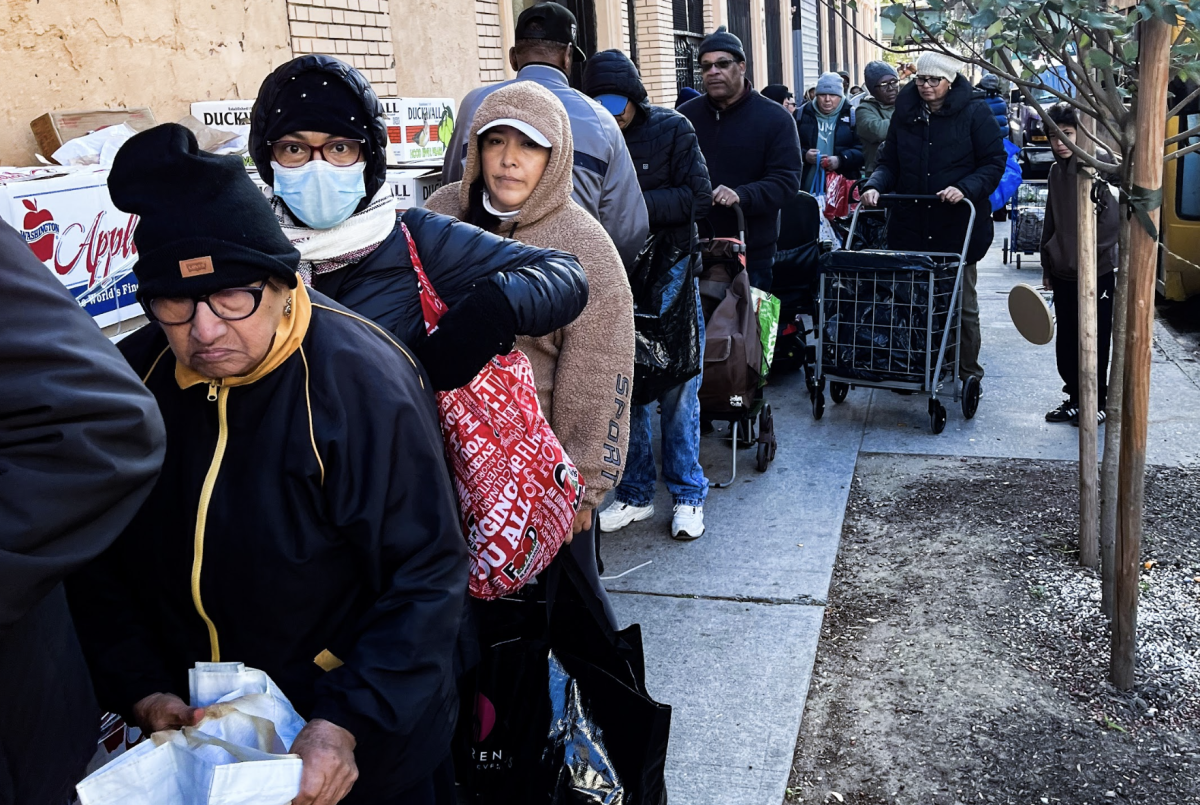
As November arrives, many of us look forward to Thanksgiving; a time of gratitude, family, and shared meals. Yet for millions of Americans, this month won’t bring comfort but anxiety. The federal cuts to Supplemental Nutrition Assistance Program benefits could not come at a crueler moment. When the rest of the country is preparing to give thanks, countless households are left wondering how they’ll afford groceries at all.
According to the U.S. Department of Agriculture, more than 42 million Americans rely on SNAP each month, or about one in eight people in the country. The program is especially critical for families with children, seniors, and people with disabilities. But increasingly, it’s also students. A 2024 Government Accountability Office report found that nearly 23 percent of college students experience food insecurity, yet more than half of those eligible for SNAP don’t receive it. That means millions of students are skipping meals just to stay in school.
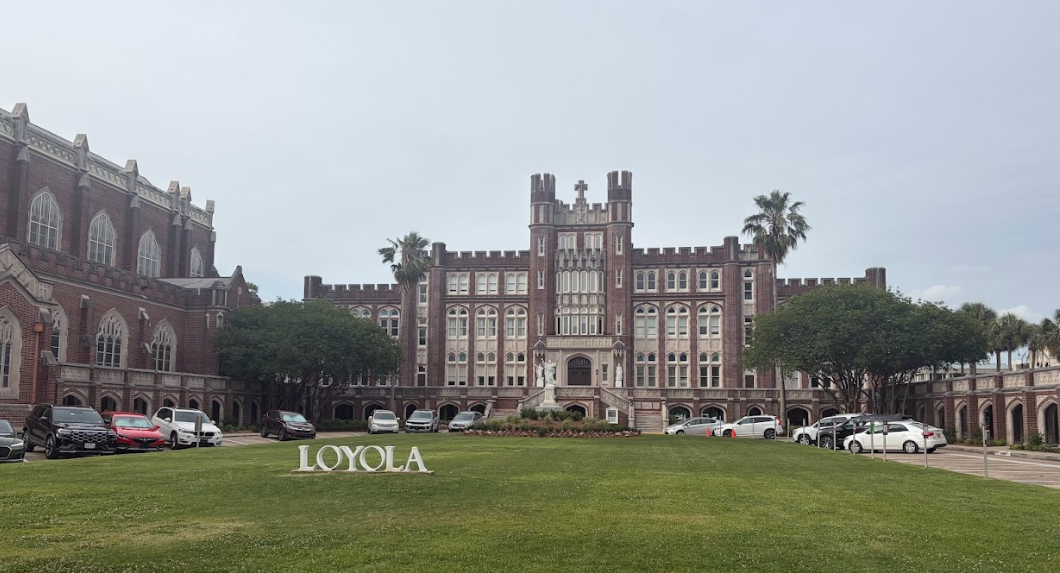
Lindy Brasher, director of Mission Integration at Loyola University New Orleans, calls these cuts “a moral issue that strikes at the heart of what it means to live in solidarity with one another.”
In her words, “Access to adequate nutrition is not a privilege but a fundamental human right tied to dignity.”
Her reminder carries particular weight at a Jesuit institution like ours. To reduce food assistance in the very season when we celebrate abundance reveals not fiscal prudence, but moral failure.
Brasher also points out that here at Loyola, “the effects of SNAP reductions are felt most acutely by students who already balance the heavy weight of tuition, housing, and academics.”
Hunger doesn’t just empty stomachs; it empties classrooms, drains energy, and undermines potential. Food insecurity breeds isolation and exhaustion, the opposite of what flourishing education should provide.
In a month devoted to gratitude, these cuts remind us how far we are from living up to our ideals. Thanksgiving should not be a time when we tally who has enough and who doesn’t. Yet across New Orleans, families are turning to local resources like Second Harvest Food Bank, Grace at the Greenlight, and New Orleans Mission just to get by. On campus, Iggy’s Cupboard continues to be a lifeline for students who need food or essential items, a testament to Loyola’s mission that “no one should go hungry, and no one should feel ashamed to seek help.”
But charity alone isn’t enough.
“Our call to action, rooted in faith, is twofold. First, we must advocate for policies that protect and uplift the most vulnerable, ensuring that programs like SNAP remain strong. Second, we are called to live out our Jesuit value of being men and women for and with others by supporting local food drives, volunteering, and looking out for classmates who may be struggling silently,” Brasher said.
That call should echo beyond the chapel and into policy offices. SNAP is not a handout; it’s a safeguard against desperation, one that allows people to focus on learning, working, and living with dignity.
At a time when lawmakers debate budget numbers, we must remember the human cost behind those statistics: the single mother in Gentilly skipping dinner so her kids can eat, the Loyola student quietly rationing meals until the next deposit, the elderly neighbor choosing between medicine and groceries.
This Thanksgiving, when our tables are full, we must ask: Who has been left out of the feast?
If we truly believe in compassion, community, and justice, values at the core of Jesuit education, then the answer cannot be silence. The measure of gratitude is generosity, and the truest way to give thanks is to ensure that everyone has enough to eat.