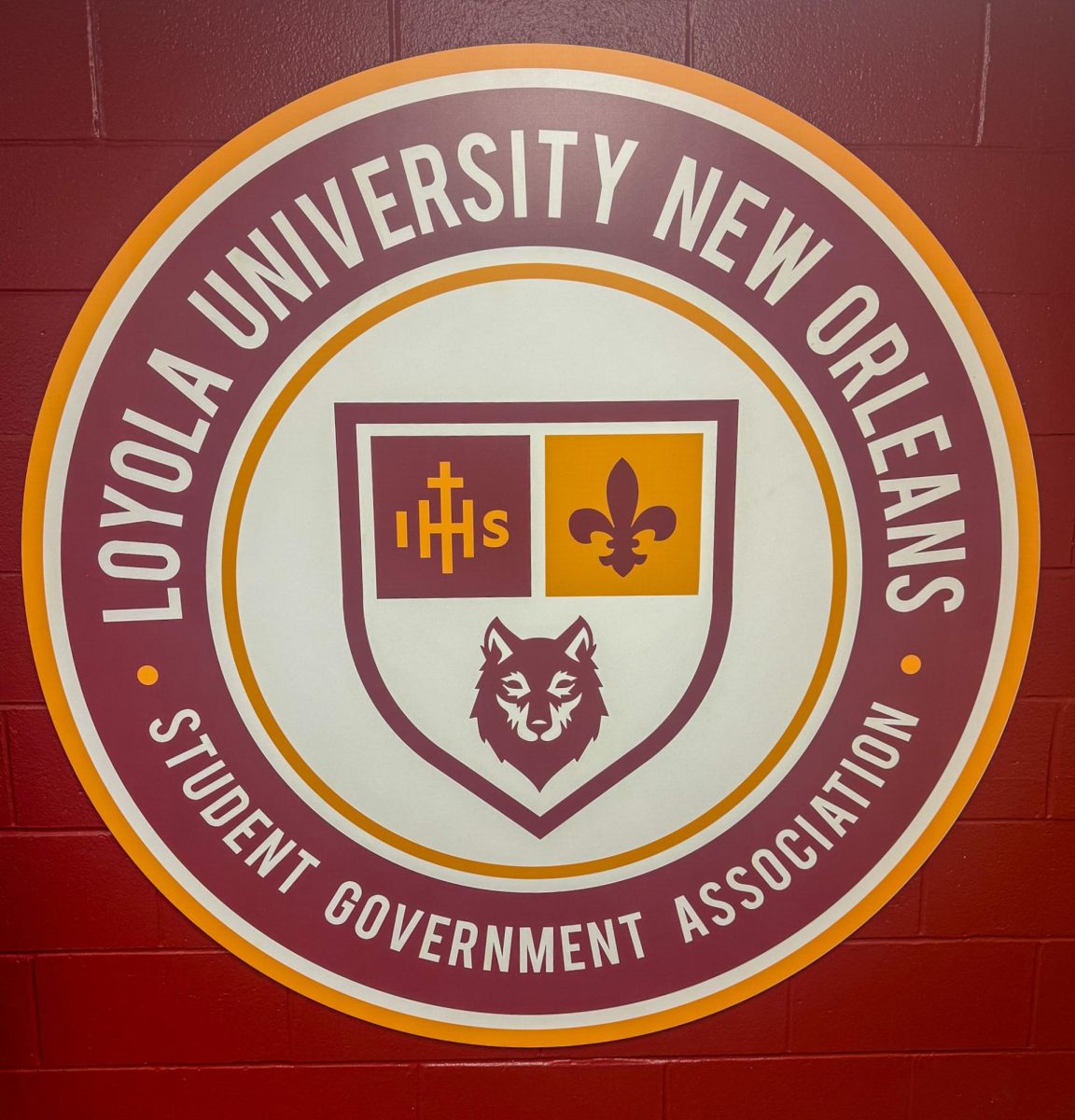
Universities often speak about empowering students. Fewer actually follow through. At a time when student voices at many institutions are overridden or treated as symbolic rather than taken seriously, Loyola University New Orleans deserves recognition for doing something simple: respecting its Student Government Association.
When universities genuinely respect student self-governance, they affirm that students are active participants in shaping their own community. Loyola’s continued recognition of SGA as an autonomous, representative body reflects an understanding that aligns directly with its Jesuit mission.
At many schools, student voices are treated as symbolic, but easy to ignore when real decisions are being made.
When students are actually allowed to govern themselves, it changes the entire relationship between the school and the people who attend it. Students are not just paying tuition and showing up to class. They are the ones living on campus every day, taking online courses, and commuting to school. They walk the halls, eat in the dining hall, attend events, notice problems, and feel the impact of university decisions in real time. A student government run by students understands the campus in a way faculty and administrators simply can’t. Not because they don’t care, but because they don’t live it.
That’s what makes student government so important. It gives students a real voice in shaping the place they call home for four years. When decisions are made with students instead of for them, the result is a community that feels more responsive and fair.
Loyola’s respect for its student government reflects this understanding. Instead of treating SGA as a formality, the university allows it to function as an actual representative body. That trust matters. It shows that Loyola believes students are capable of responsibility, leadership, and thoughtful decision-making; values that align closely with its Jesuit mission to educate the whole person and prepare students to serve others.
Student government is not perfect, and it isn’t supposed to be. Learning how to lead means making mistakes, debating ideas, and figuring things out along the way. But that’s the point. When students are given real responsibility, they gain real experience.
Faculty and administrators bring experience and long-term perspective. Students bring immediacy. They know what’s working, what’s frustrating, and what needs to change because they are experiencing it right now. A university is strongest when those perspectives work together, not when one is dismissed.
In a time when higher education often feels transactional, degrees exchanged for tuition, Loyola’s respect for student-led governance stands out. It reminds us that education is about more than academics. It’s about learning how to participate in a community, speak up for yourself and others, and take responsibility for the world around you.
If Loyola wants to continue forming engaged, thoughtful leaders, respecting student government is not just a nice gesture. It’s essential. For choosing to trust the students who live on this campus every day, Loyola deserves real credit.