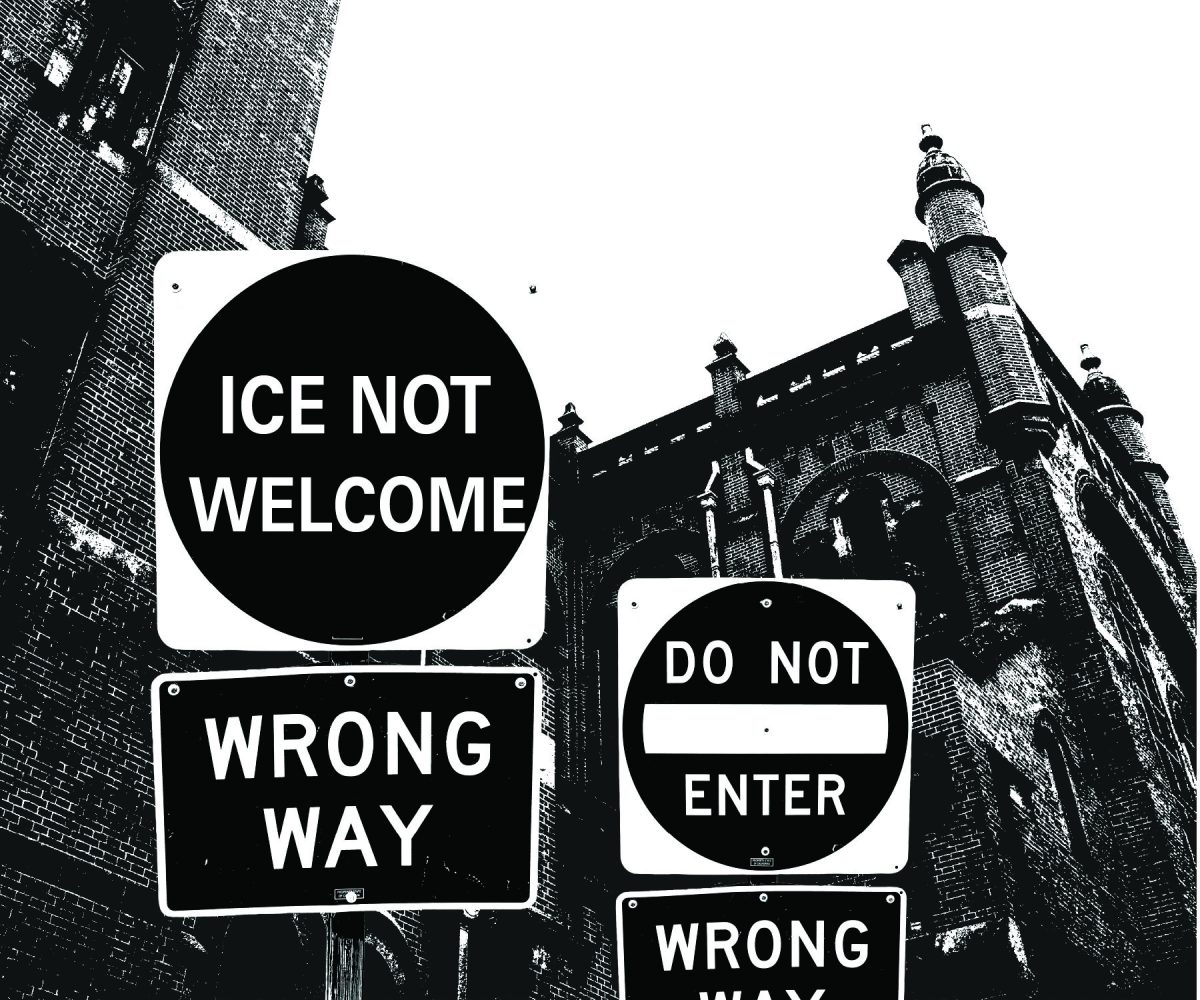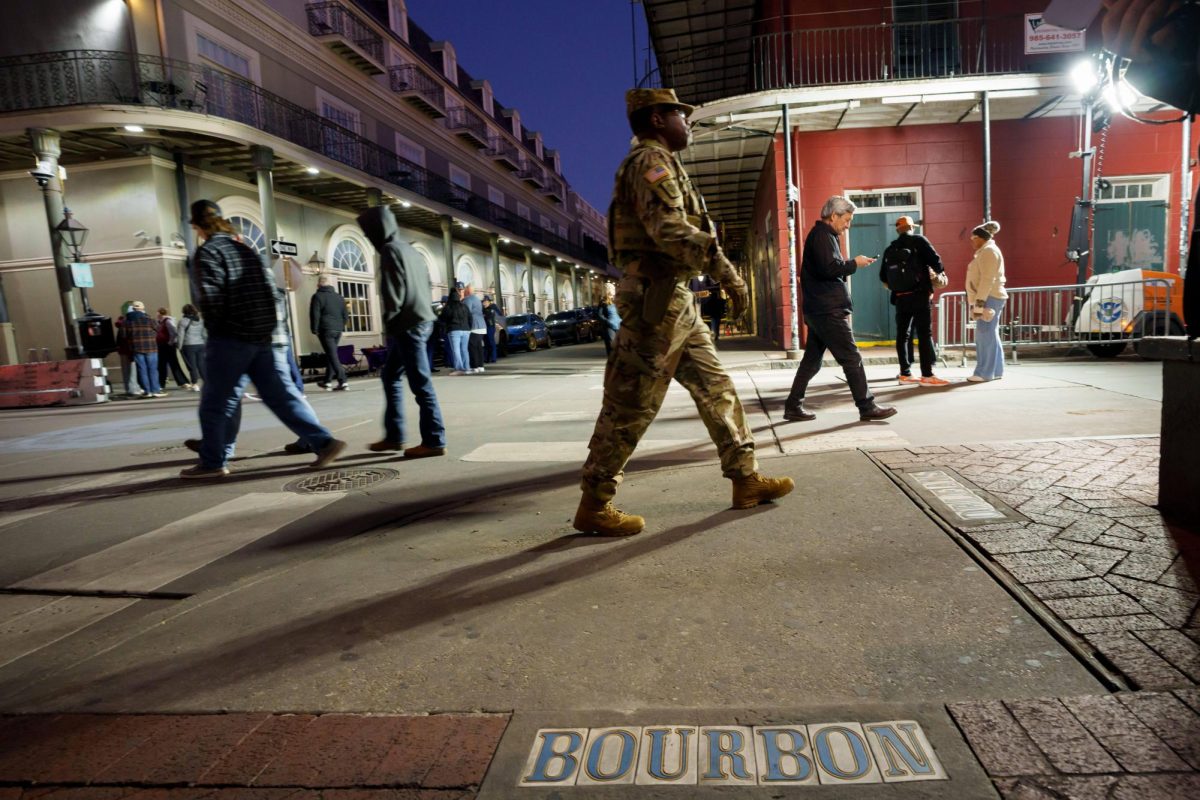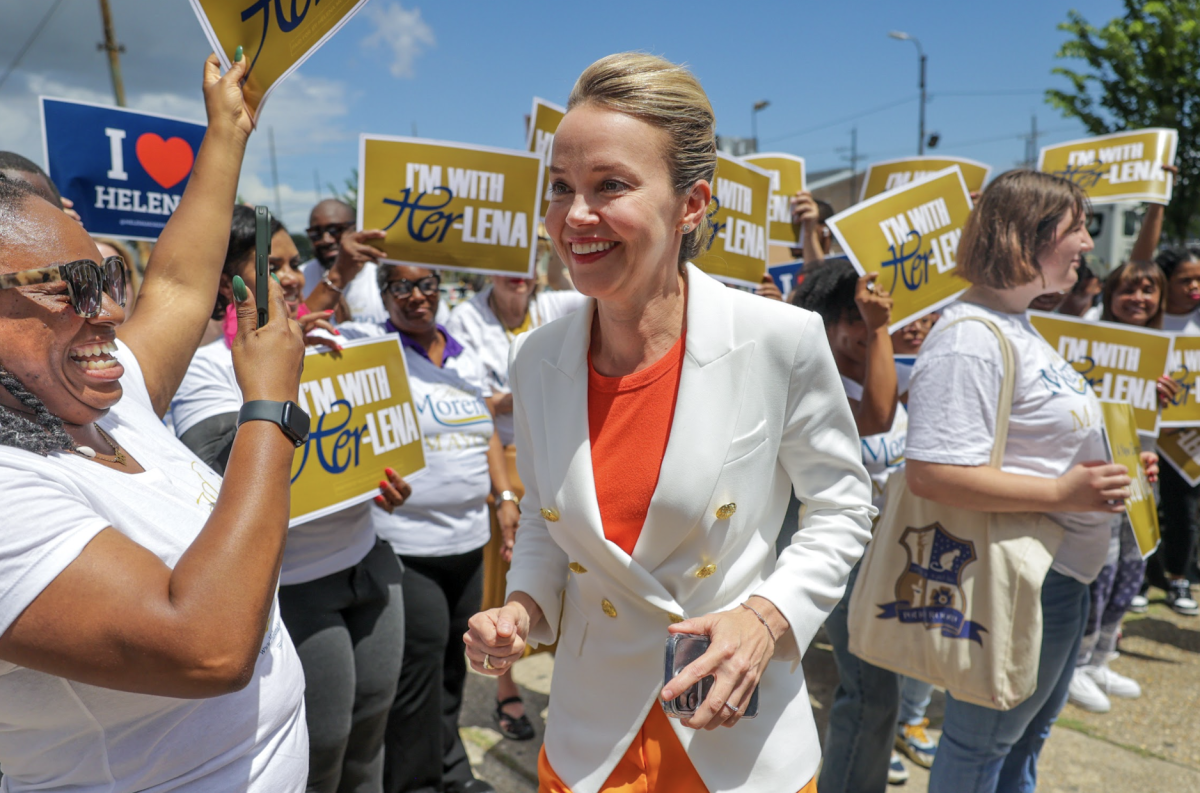
Helena Moreno’s victory in the New Orleans mayoral race marks more than a routine political shift; it represents a turning point for the city’s priorities and values. Winning with 55% of the vote, Moreno ran a campaign focused on improving public safety, revitalizing city infrastructure, promoting economic development, and rejecting the controversial use of federal troops to police local streets. Her win signals that New Orleanians are ready for a new era of local accountability, one grounded in service, transparency, and equity.
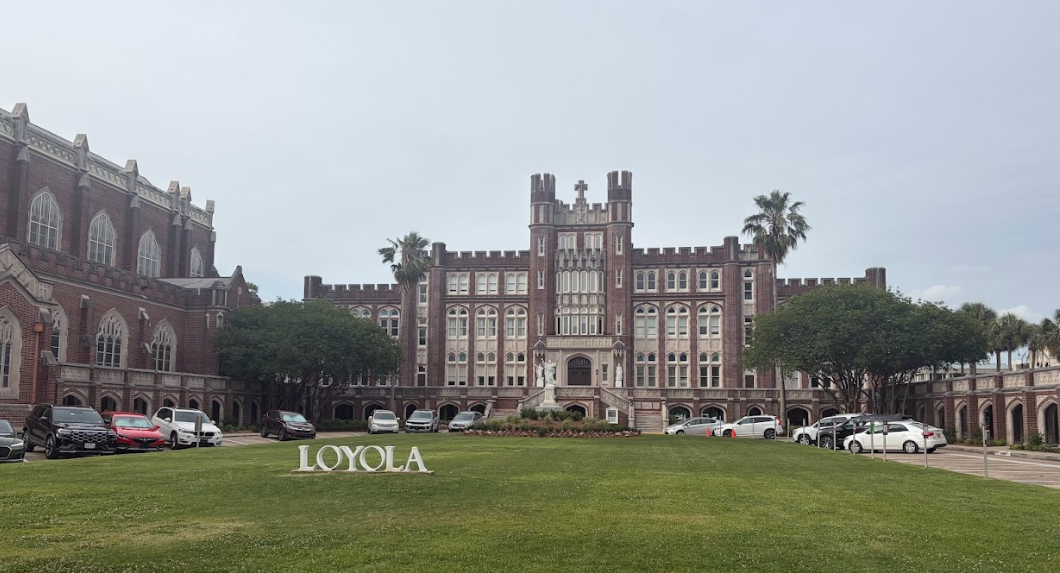
For Loyola students, Moreno’s victory isn’t just a headline, it’s a direct investment in their daily lives. The policies she outlined throughout her campaign have the potential to transform the neighborhoods where students live, study, and work. A stronger focus on public safety means safer commutes after late-night classes, more secure neighborhoods around campus, and renewed trust between residents and local law enforcement. Her commitment to improving city services could address persistent frustrations, broken streetlights, unreliable transit, and pothole-ridden roads that shape how students navigate their lives in the city.
Moreno’s emphasis on economic development also offers new opportunities for Loyola students looking to connect their education to real-world experience. That could mean more internships, job placements, and civic engagement partnerships between the city and universities. Loyola students already play a major role in New Orleans’ service economy, non-profit sector, and creative industries. A mayor who values youth innovation and local collaboration can help ensure those contributions are recognized and supported.
Yet, Moreno’s win should not be treated as the end of the conversation, it should be the beginning of one. With the election behind her, the focus must now shift from promises to action. Moreno’s first 100 days in office will reveal how committed she truly is to her platform. Students should monitor these early decisions closely: Will the administration prioritize neighborhood safety reforms? Will transit reliability improve? Will the city deliver on infrastructure repairs and youth-centered initiatives? The answers to these questions will determine whether her campaign vision evolves into lasting change.
This is also an opportunity for Loyola students to redefine what civic engagement looks like on campus. Local politics is often overlooked by college students, who tend to focus more on national or global issues. But as residents of New Orleans whether temporary or permanent students have a stake in how the city is governed. They rely on local bus routes, neighborhood security, affordable housing options, and clean public spaces. Engaging in local government is not just a civic duty; it’s a way to ensure that the needs of students are not ignored.
Loyola students should step up and stay informed about municipal decisions. They should attend city council meetings, follow Moreno’s policy announcements, and push for student representation in city planning discussions. Loyola’s campus has long been a hub for activism and civic awareness, and this moment is a chance to extend that influence beyond university walls. Whether it’s through community service, volunteering with local advocacy groups, or even writing to elected officials, students can help shape the direction of Moreno’s administration.
Moreno has spoken passionately about making New Orleans a city that retains its young people as a place where graduates choose to stay because it’s safe, affordable, and full of opportunity. That vision aligns with what many Loyola students already hope for: a city where their education can lead to meaningful, sustainable careers without having to move away. But that vision depends on both leadership and participation.
As Moreno takes office, Loyola students should not only celebrate her victory but also claim their place in the conversation about the city’s future. Her success offers the possibility of real progress on education, infrastructure, and public welfare but it will take active citizen involvement to turn that promise into policy. Moreno’s win is a chance to redefine how New Orleans serves its people. For Loyola students, it’s also a reminder that democracy doesn’t end at the ballot box; it begins right here on campus.