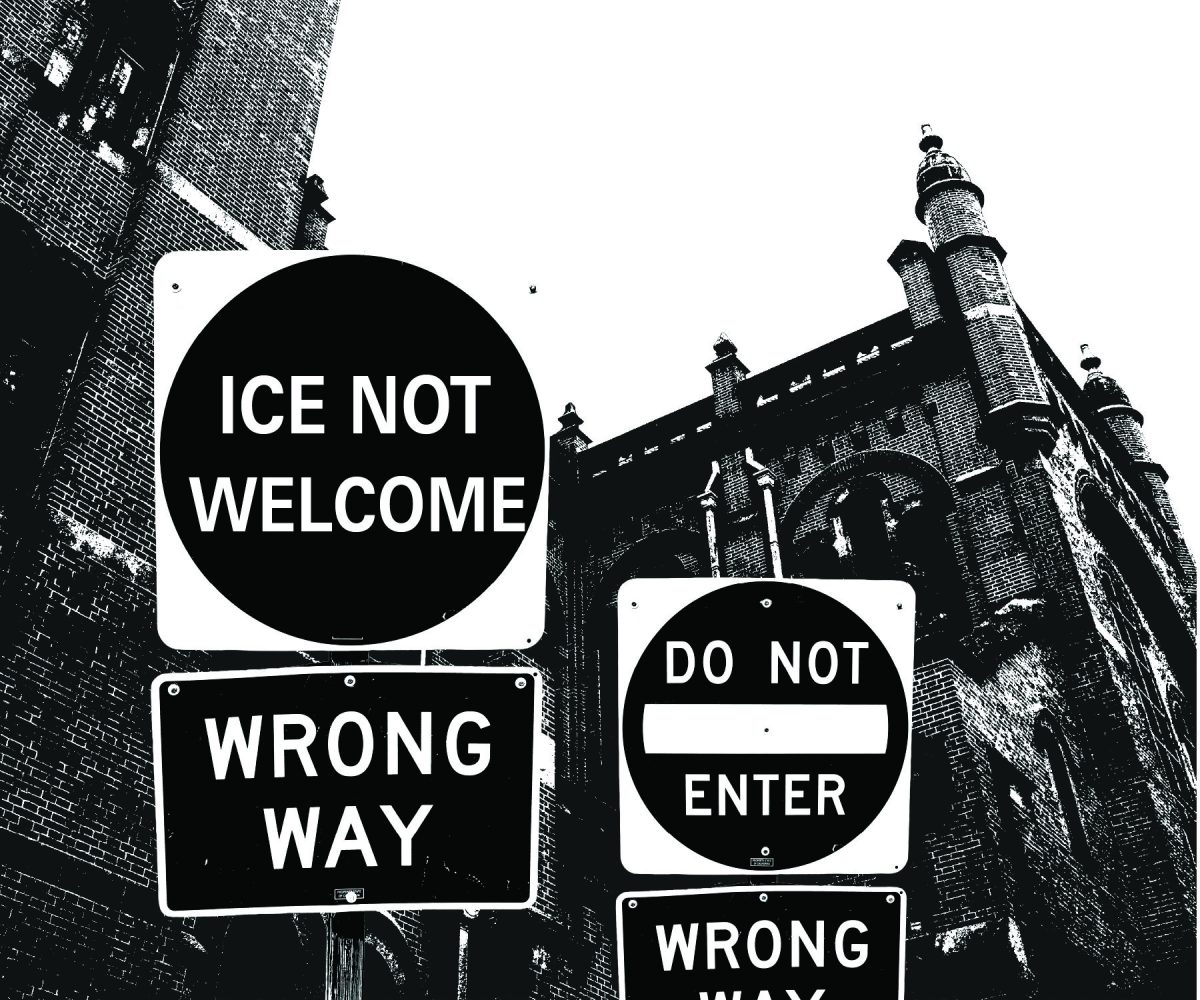
Louisiana has become the latest stage for an aggressive national immigration crackdown, and its consequences are landing squarely in our neighborhoods, classrooms, and student communities. In the past two weeks, Immigration and Customs Enforcement has escalated raids across the state, part of what federal officials call “Operation Swamp Sweep.” But for those living through it, these sweeps aren’t policy initiatives; they’re fear campaigns.
That fear became tangible just a few miles from campus. According to Nola.com, “four people were taken into custody by U.S. Immigration and Customs Enforcement on Wednesday morning during an operation in Gretna” at a shopping center. Raids in public spaces, places where students shop, work, and commute, send a chilling message: nowhere is off-limits.
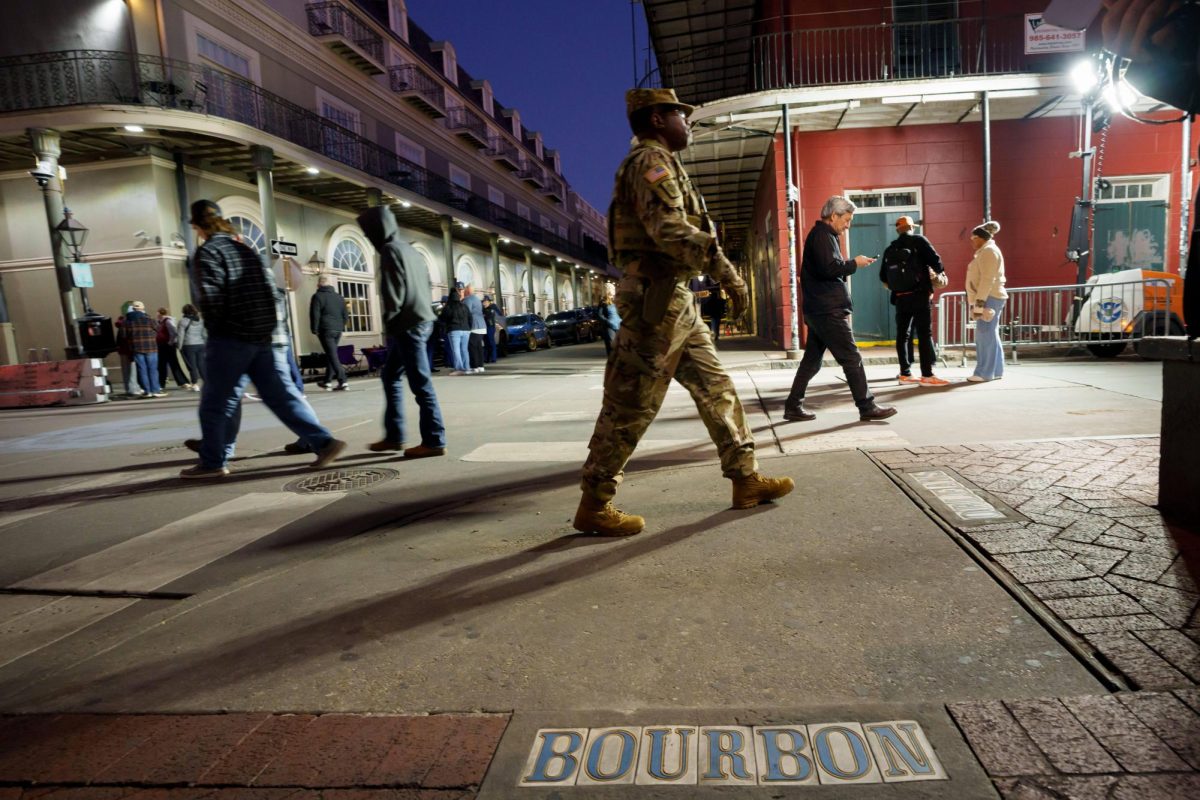
National outlets are confirming the scale of what Louisiana is bracing for. The Guardian reported that “as many as 250 federal agents are expected to descend on the city imminently … to begin laying the groundwork for ‘Operation Swamp Sweep.’” The city has seen those effects in the past couple of days.
This is not a routine enforcement push. It is a massive, coordinated sweep involving hundreds of personnel deployed into residential areas, commercial spaces, and transit corridors. And it is happening right outside our campus gates.
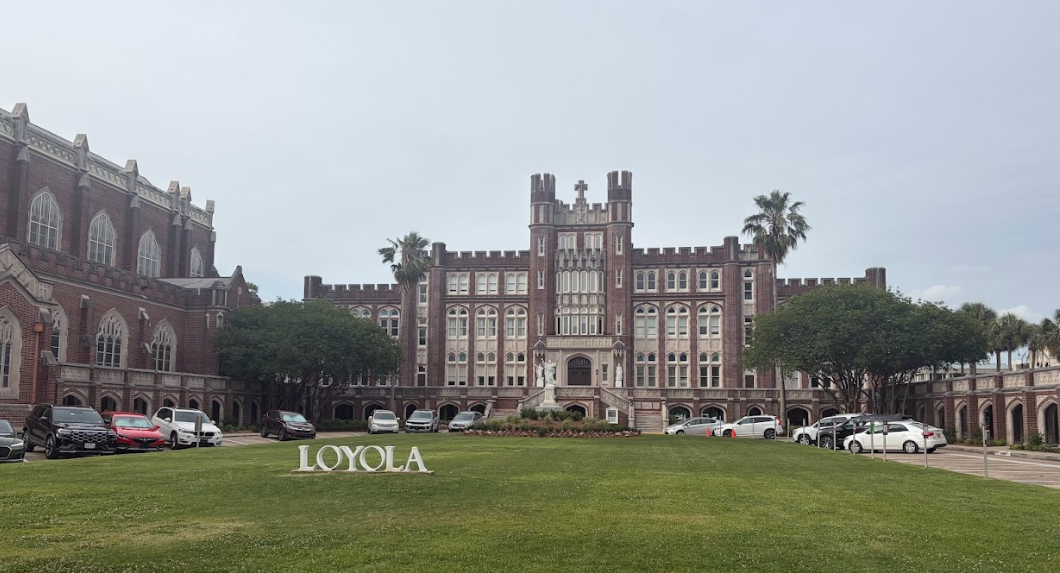
At Loyola, our student body includes immigrants, international students, and those from mixed-status families. Our diversity is one of our strengths, but diversity becomes vulnerability when armed federal agents begin targeting communities based on appearance, accent, or ethnic background.
When ICE establishes a visible presence in the places students live, study, and socialize, it creates an environment of constant surveillance. And even students who are fully documented know that ICE has a long history of detaining people who are in legal status due to misidentification or shaky “reasonable suspicion.” International students, especially, face unique risks. Their entire legal status depends on maintaining full-time enrollment, financial stability, and strict adherence to federal rules. A single wrongful stop or a temporary paperwork confusion can jeopardize years of effort. For many, there is no family nearby to help them navigate an immigration crisis.
This isn’t abstract. It’s happening now. In response to rising concerns, Loyola’s police chief emailed the student body to outline procedures for encounters with ICE on campus. The email, sent by Chief Daniel Spangler, is important and students should absolutely follow the guidance. Loyola must protect student records, uphold privacy laws, and prevent unauthorized access to campus buildings. The university’s reaffirmation of Family Educational Rights and Privacy Act protections matters.
But acknowledging procedures is not the same as addressing fear. For many students, international or simply nonwhite, the fear of being stopped off-campus remains overwhelming, and the consequences of an encounter can be life-changing. LUPD can respond on campus; they cannot shield students once they step onto Freret Street.
ICE defends these operations as “targeted.” But their impact, and increasingly their execution, is broad, sweeping, and intentionally intimidating.
Enforcement operations across the country have shown us the pattern. After large-scale raids in Mississippi in 2019, children were stranded at schools when their parents were arrested at work. In Queens, ICE activity caused widespread fear, school attendance dropped, small businesses suffered, and families barricaded themselves indoors.
Fear is not collateral damage. It is the mechanism.
“Swamp Sweep” is following the same blueprint here. By making ordinary tasks, driving to class, buying groceries, walking to a bus stop, dangerous for immigrants, enforcement becomes a psychological weapon. It pressures people not just to hide, but to leave.
And in a city like New Orleans, where immigrant communities are foundational to our culture, economy, and identity, the damage is immeasurable.
When ICE ramps up enforcement, the effects ripple outward: Restaurants lose workers, childcare centers face sudden staffing gaps, students with jobs in immigrant-owned businesses face instability, undocumented families avoid hospitals, clinics, and public spaces, students of color, regardless of citizenship, are more likely to be profiled.
The fear becomes communal.
Loyola’s procedures are a start, not a solution. Students need clear, campus-wide communication with resources, legal contacts, and emergency steps. Know-Your-Rights trainings can make a real difference. These raids happen because politicians approve them. Make your voice heard.
“Swamp Sweep” is not just a political controversy, it is a threat unfolding in our city, and its consequences live in our classrooms, our dorms, our student organizations, and our daily routines.
We cannot stop ICE but we can refuse to normalize cruelty.